CUSU · Memory
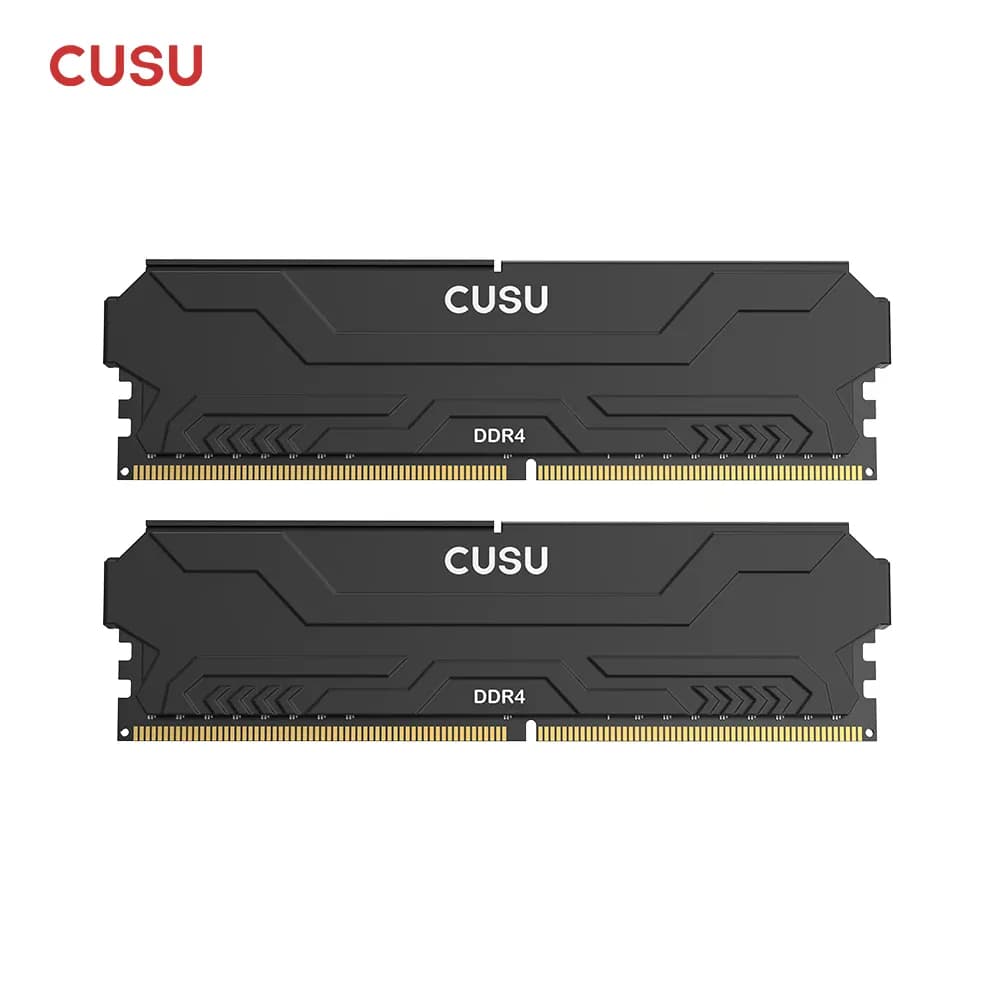
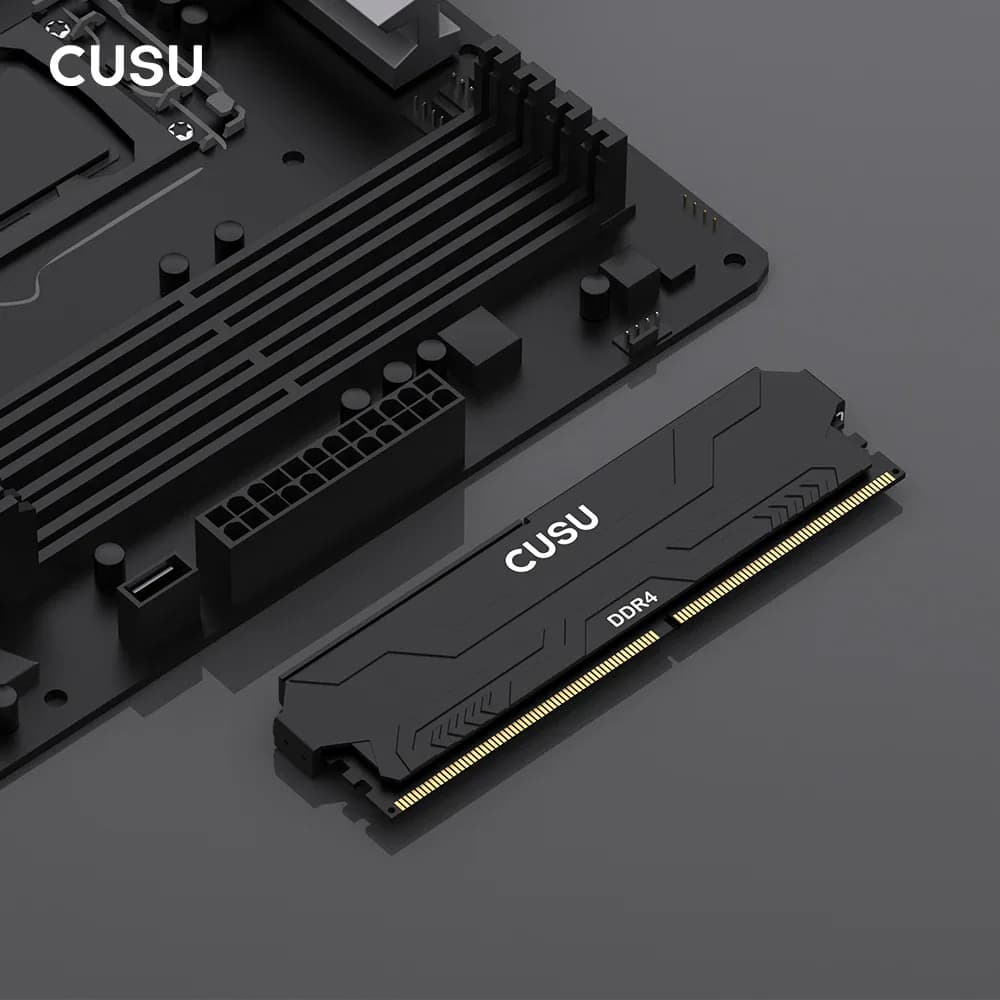
CUSU DDR4 8GB and 16GB 3200MHz RAM
This CUSU DDR4 RAM memory is designed to provide enhanced stability on desktop platforms. It ensures reliable performance for daily computing and multitasking.
Rated 4.9/5 based on 108 customer reviews.Memory capacity: D4 3200 8GBx2 1.35V
Quantity
- Secure payment
- 14-day returns
- 24/7 support
Product details
Essentials
Brand CUSU Memory type DDR4 DDR4 frequency 3200 MHz, 3600 MHz DDR5 frequency 4800 MHz, 5600 MHz, 6400 MHz DDR4 3200MHz voltage 1.35V 1.35 V DDR4 voltage 1.2V 1.2 V DDR4 optimization profile XMP 2.0 DDR5 optimization profile XMP 3.0 DDR5 5600MHz timing 46-46-46-90 DDR5 6400MHz timing 32-39-39-102 DDR4 1.2V timing 22-22-22-52 Interface type 288 pins Standard JEDEC standard Model DH330 Application Desktop computer Heat sink Aluminum alloy Technical features and benefits
CUSU DDR4 memory modules offer optimized frequencies and efficient thermal management. The XMP profile allows easy activation of performance settings via the BIOS.
- The use of original manufacturing components ensures increased reliability. XMP 2.0 is an optimization technology used by Intel on DDR4 memory. It automatically increases the operating frequency by activating the XMP function in the BIOS. DDR4 1.35 V memory products do not comply with the standard J.E.D.E.C. specification and are compatible with standard X.M.P. It is advisable to check if the motherboard and processor support X.M.P. before purchase.
Compatibility and usage conditions
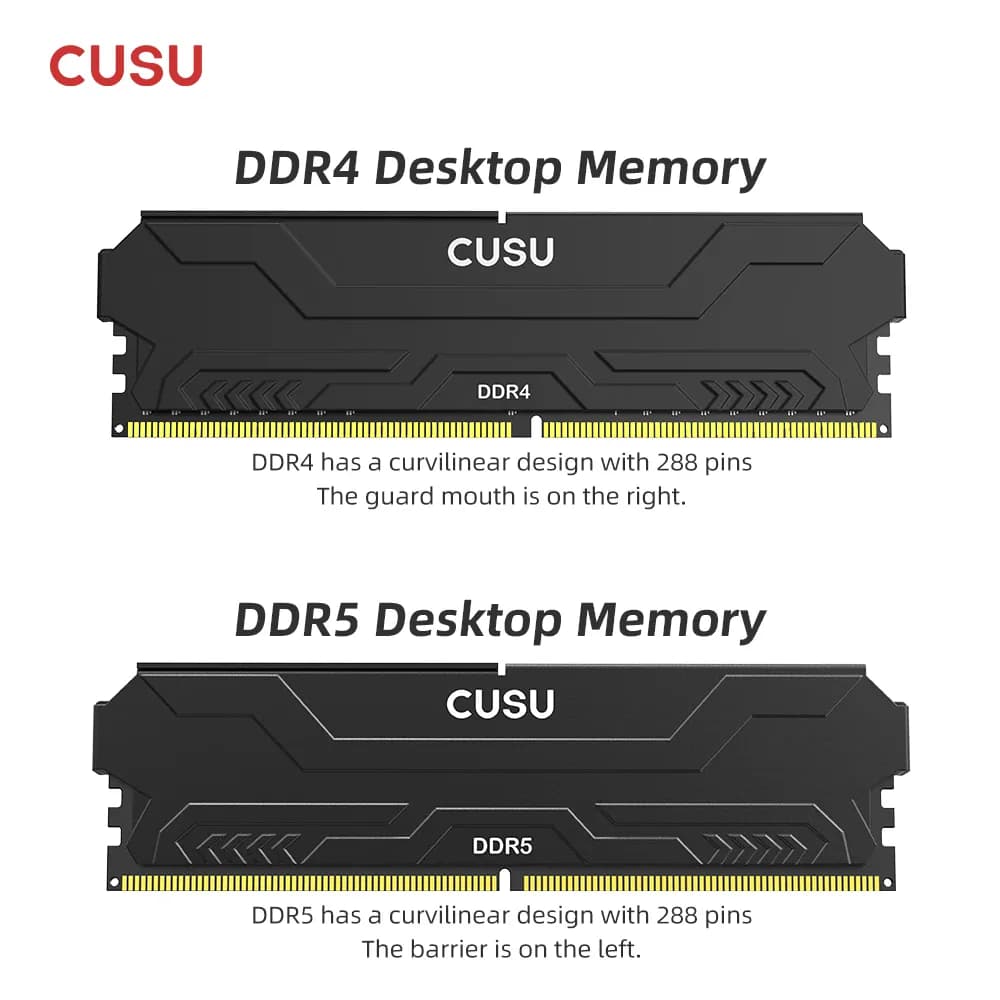
DDR5 memory is not compatible with DDR4 motherboards. This module is designed for desktop computers and is not compatible with portable computers.
- DDR5 technology integrates a power management integrated circuit (PMIC) and cannot be used on motherboards supporting DDR4. AMD platforms are generally less performant with high-frequency memory, so instability may occur. For the AMD AM5 platform, we recommend using 6000 MHz RAM to avoid EXPO profile operation issues. If you are using an AMD processor, it is best to choose 6000 MHz or 6400 MHz frequencies (Hynix A chip) for proper operation.
- When using four DDR5 RAM modules, the operating frequency may be reduced. For an Intel processor, the default frequency drops to 4,000 MHz with four modules, and the maximum frequency can only reach 5,600 MHz. For an AMD processor, the default frequency will be 3,600 MHz and the maximum 4,800 MHz. Additionally, due to constraints related to the motherboard and processor, using single-channel modules or four combined modules may prevent dual-channel or multi-channel operation.
Recommended usage and configuration
This module is used in the DDR4 DIMM slots of compatible motherboards. It is recommended to check compatibility before installation.
- The XMP configuration must be enabled in the BIOS to benefit from optimal performance. For AMD users, selecting an appropriate frequency helps avoid stability issues. Before installing the memory, it is imperative to check its compatibility with the motherboard and processor to ensure proper operation.
Frequently asked questions
What frequencies are available for this RAM module?
DDR4 memory is available in 3200 MHz and 3600 MHz. The DDR5 version is also offered in 4800 MHz, 5600 MHz, and 6400 MHz.
What is the difference between DDR4 and DDR5?
DDR5 modules integrate a power management circuit (PMIC) and are not compatible with DDR4 motherboards. DDR4 is specifically designed for platforms supporting this standard.
Is the memory compatible with portable computers?
This memory module is designed for desktop computers and is not compatible with portable computers.
How to activate optimal performance?
It is recommended to enable the XMP 2.0 profile in your motherboard BIOS to benefit from the frequency and timings specified on the label.
What is the recommended frequency for AMD processors?
For AMD AM5 platforms, it is recommended to use 6000 MHz RAM to avoid EXPO profile operation issues.
What are the timings for DDR5 modules?
DDR5 5600 MHz modules display timings of 46-46-46-90, while 6400 MHz modules display timings of 32-39-39-102.
Explore related categories
Customer reviews
Loading reviews…
Frequently asked questions
What are the available frequencies for this RAM module?
DDR4 memory is available at 3200 MHz and 3600 MHz. The DDR5 version is also offered at 4800 MHz, 5600 MHz, and 6400 MHz.
What is the difference between DDR4 and DDR5?
DDR5 modules integrate a power management integrated circuit (PMIC) and are not compatible with DDR4 motherboards. DDR4 is specifically designed for platforms supporting this standard.
Is the memory compatible with laptops?
This memory module is designed for desktop computers and is not compatible with portable computers.
How to activate optimal performance?
It is recommended to enable the XMP 2.0 profile in your motherboard's BIOS to benefit from the frequency and timings specified on the label.
What is the recommended frequency for AMD processors?
For AMD AM5 platforms, it is recommended to use 6000 MHz RAM to avoid EXPO profile operation issues.
What are the timings of DDR5 modules?
The DDR5 5600 MHz modules display timings of 46-46-46-90, while the 6400 MHz modules display timings of 32-39-39-102.
You may also like
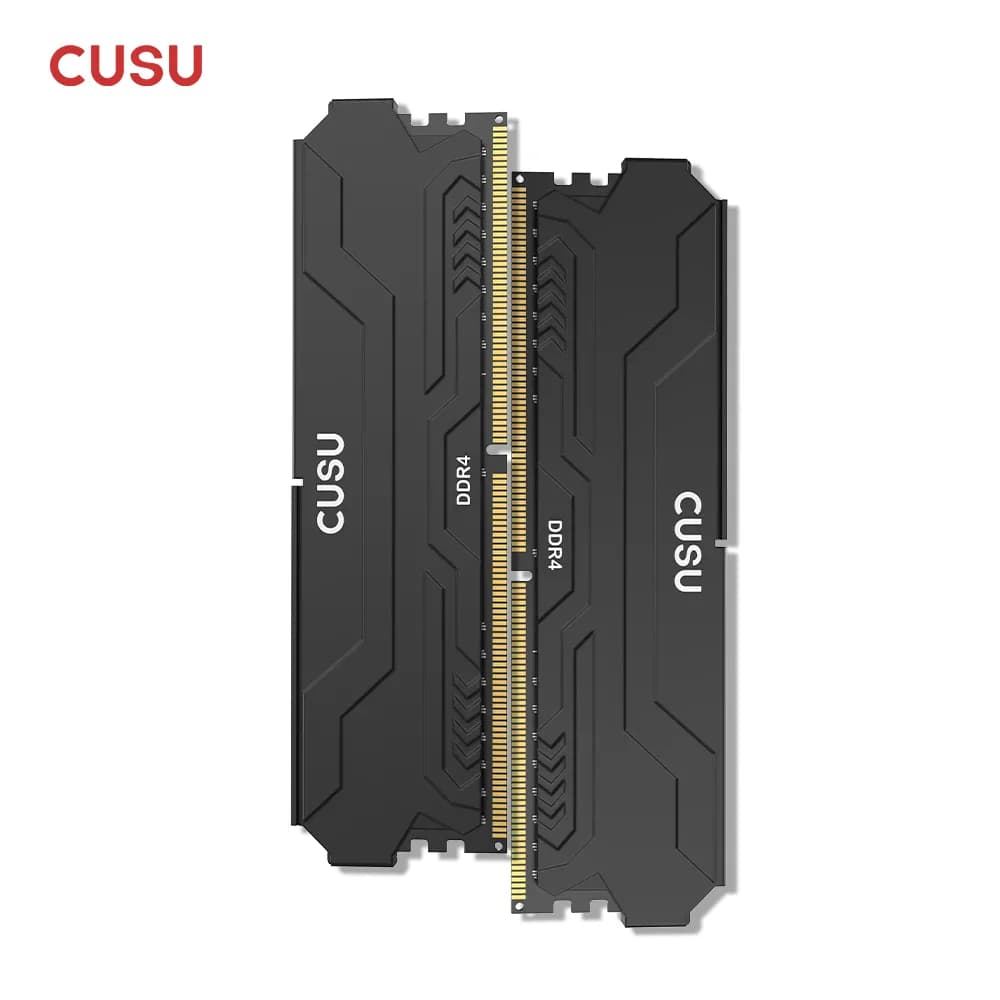
CUSU DDR4 3200 MHz RAM Memory for Desktop Computer
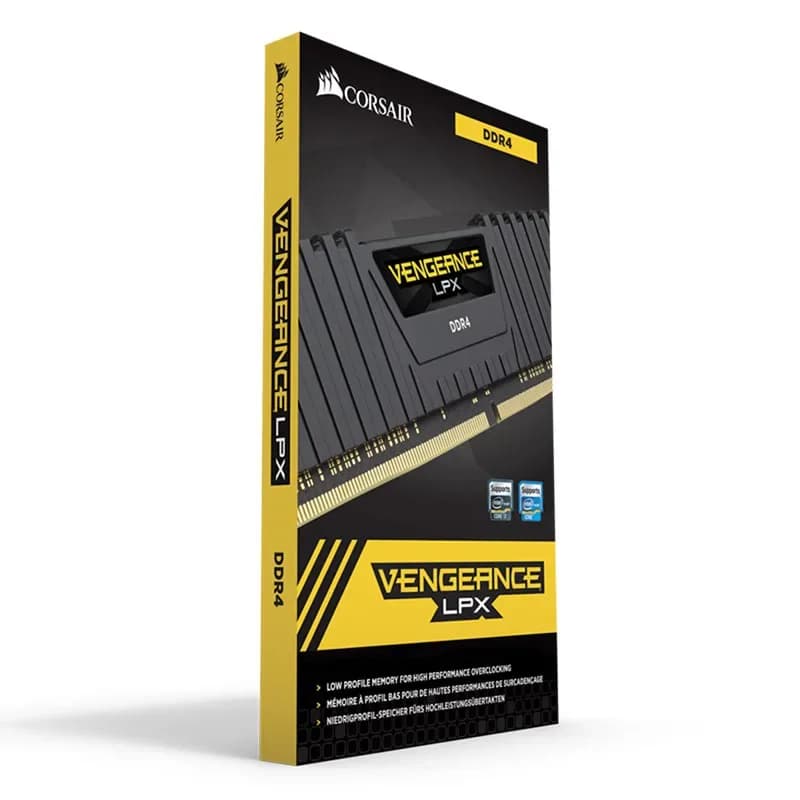
Vengeance LPX CORSAIR DDR4 RAM Kit 8GB or 16GB 2400 2666 3200 MHz
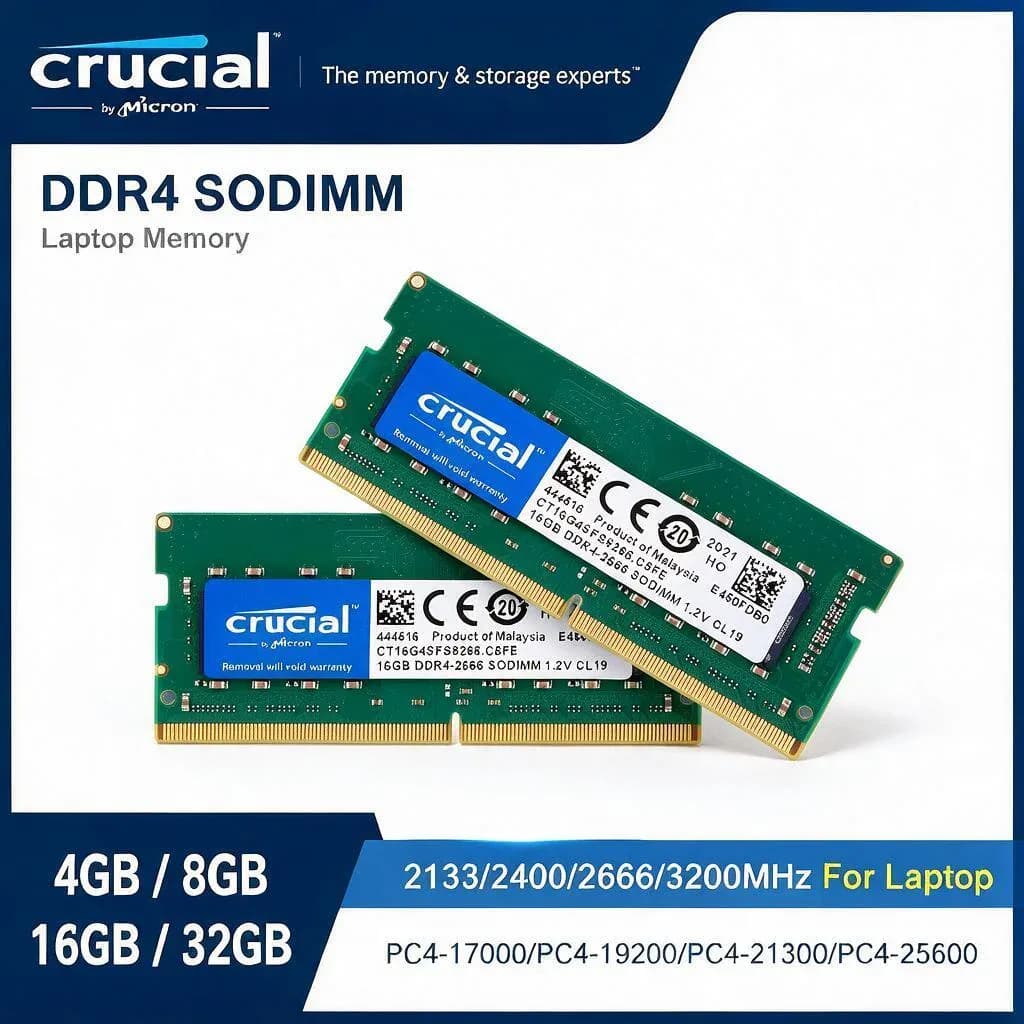
Crucial DDR4 RAM Stick 4GB to 32GB 2400MHz to 3200MHz
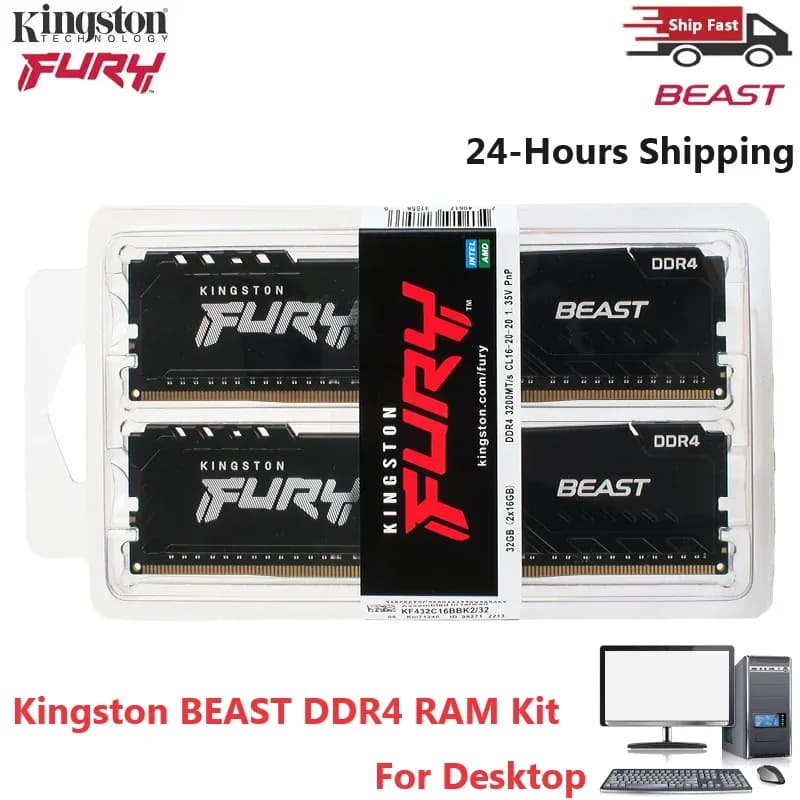
Kingston BEAST DDR4 — PC Desktop Memory Kit 16 GB / 32 GB
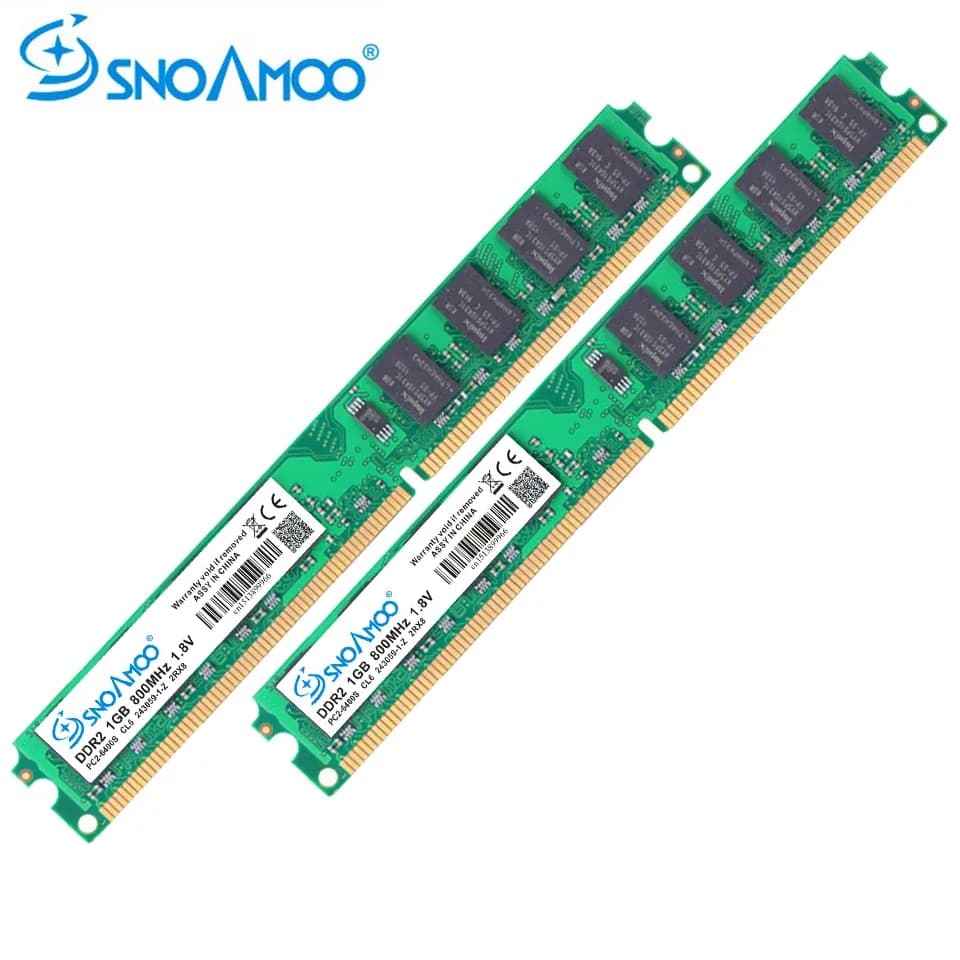
DDR2 800MHz RAM Memory for Desktop Computer 1 GB and 2 GB
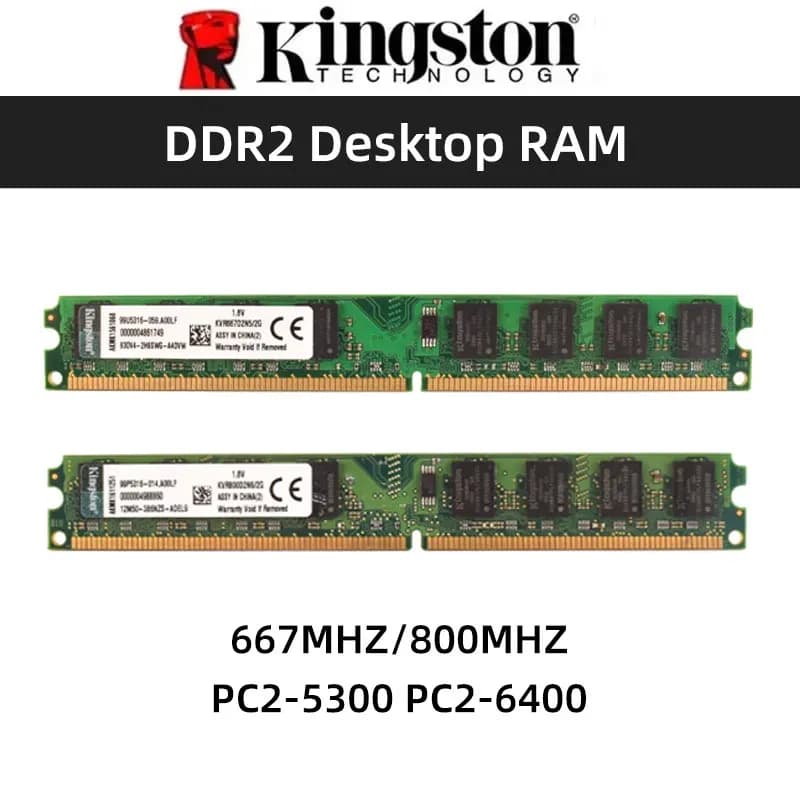
Kingston DDR2 2 GB 800 MHz PC2-5300 Desktop RAM Memory