Computers & storage: SSDs, components & peripherals
Equip and upgrade your computer at Vowenx: SSD storage, components and cooling, 3D printing, peripherals, photo, gaming and networking. 97 selected references to build, speed up and accessorize your hardware at the right price.
« great quality item, colour is great, came with all tools needed. highly recommend. »
« hi, arrived in good condition and time. my son loves it, seems well made. »
 Choisir
Vowenx
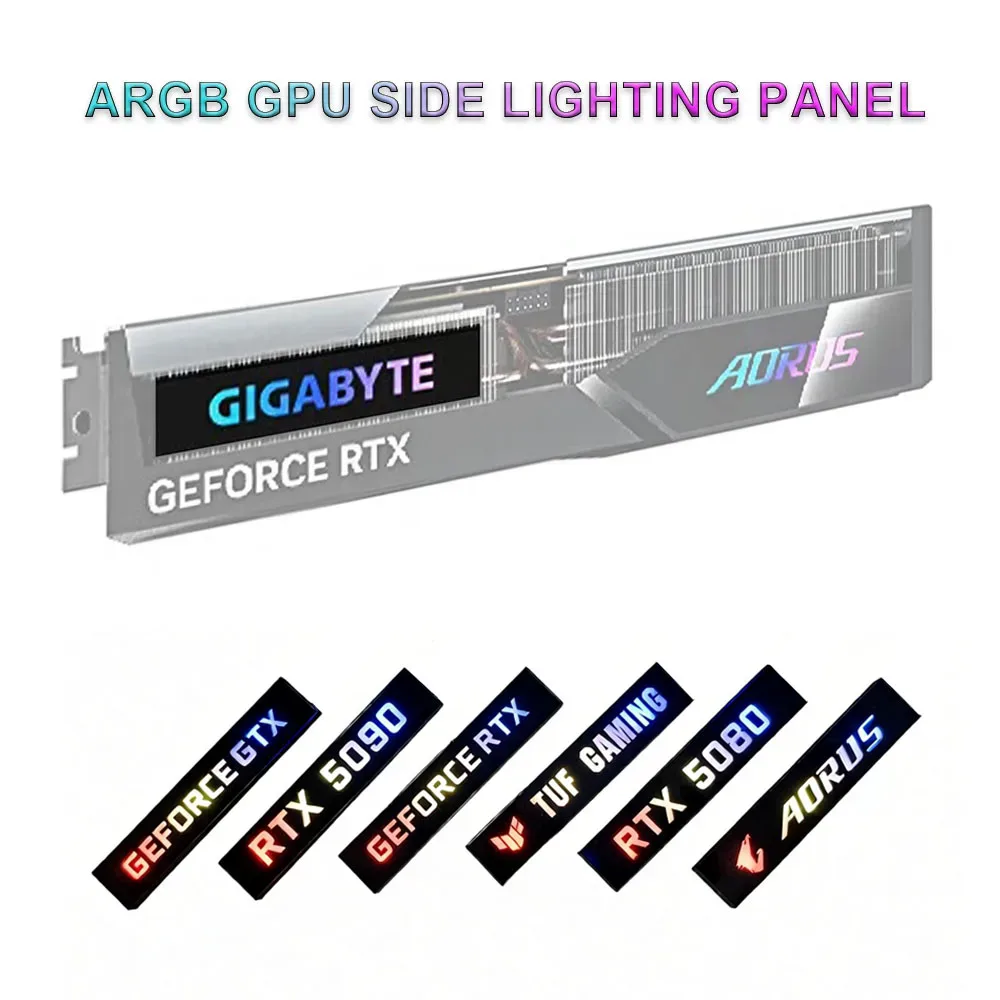
Decorative ARGB panel for 5V 3-pin graphics card
From € 22,90
 Choisir
SmallRig
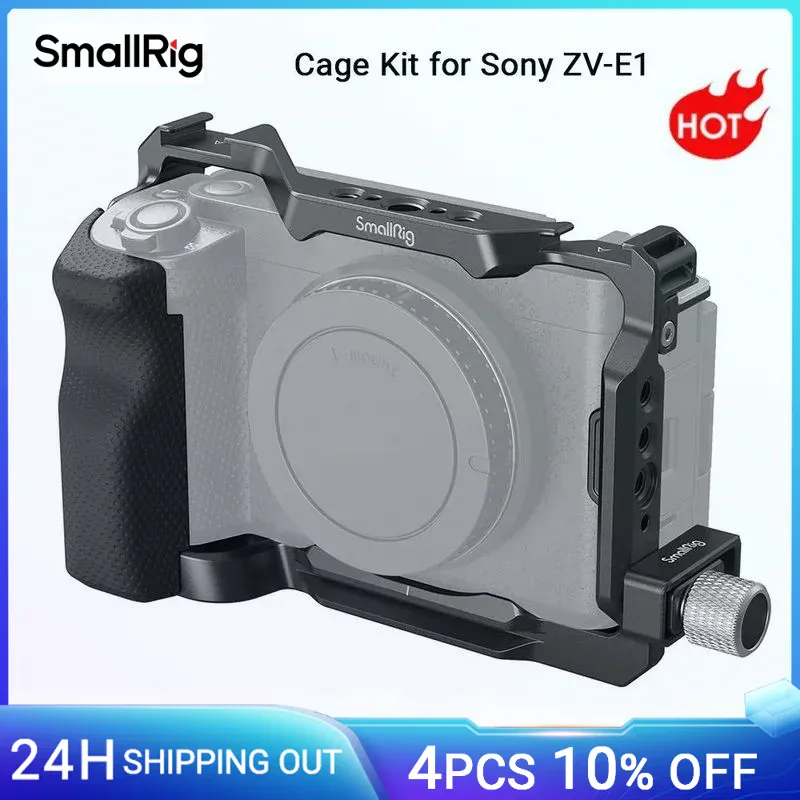
Cage for Sony ZV-E1 with silicone handle
From € 126,03
 Choisir
Vowenx
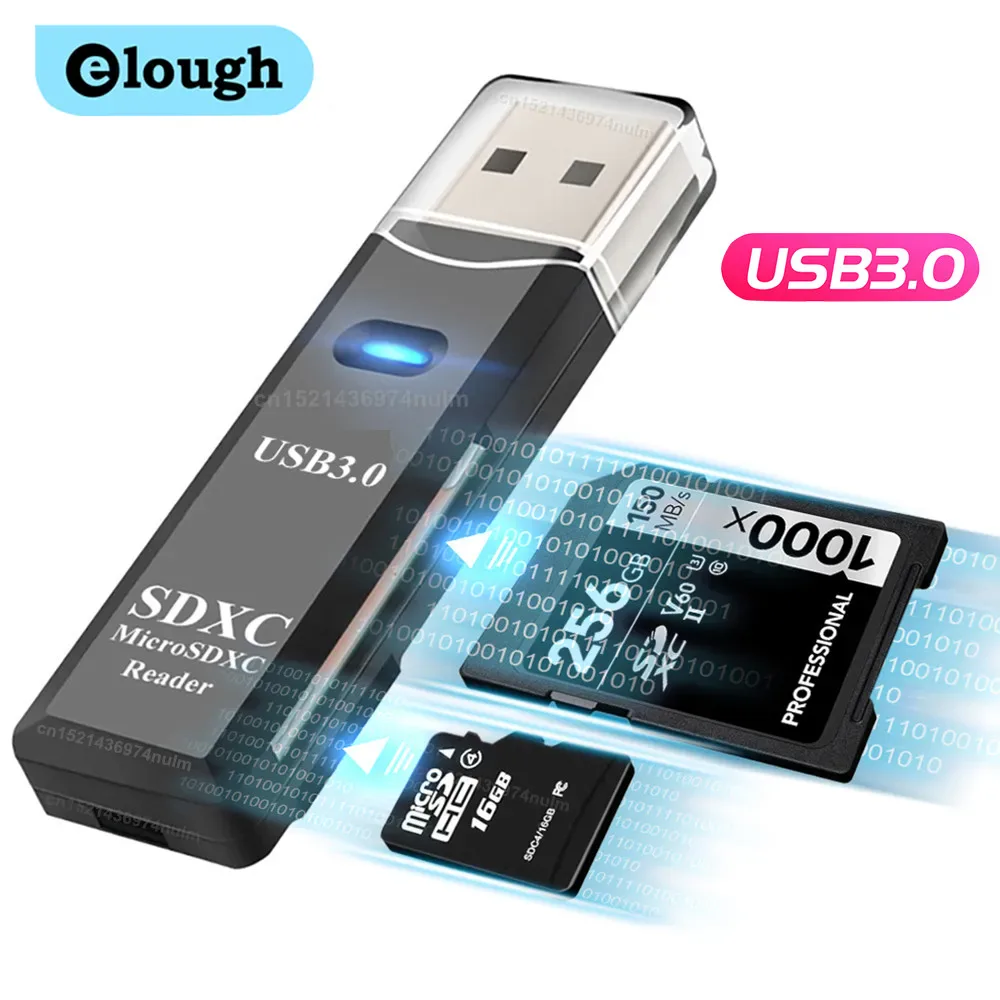
SD and microSD USB 2-in-1 card reader
From € 7,56
 Choisir
Vowenx
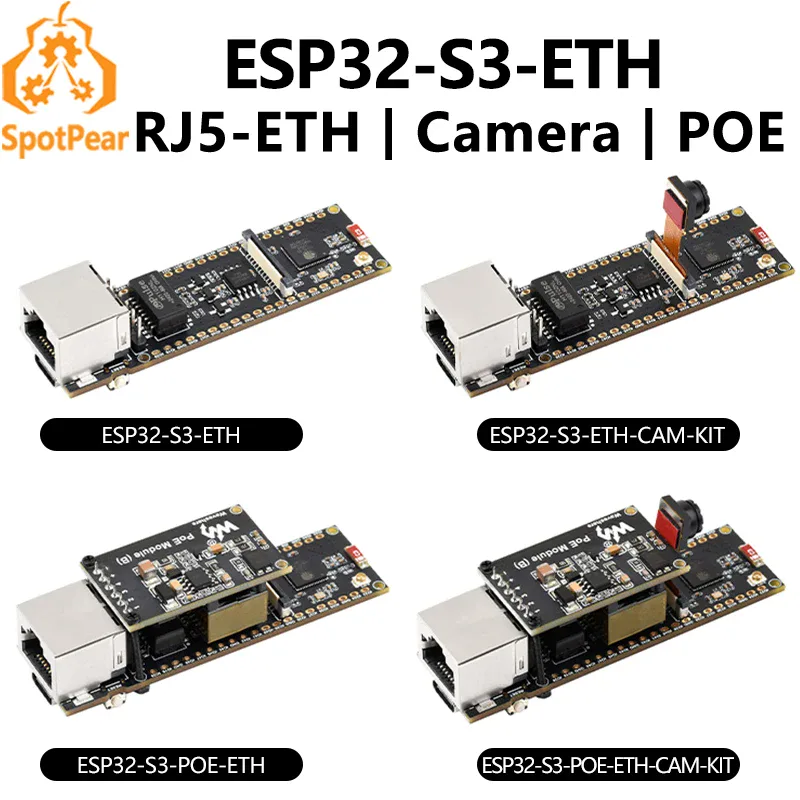
ESP32-S3 Ethernet PoE and camera development card
From € 45,03
 Choisir
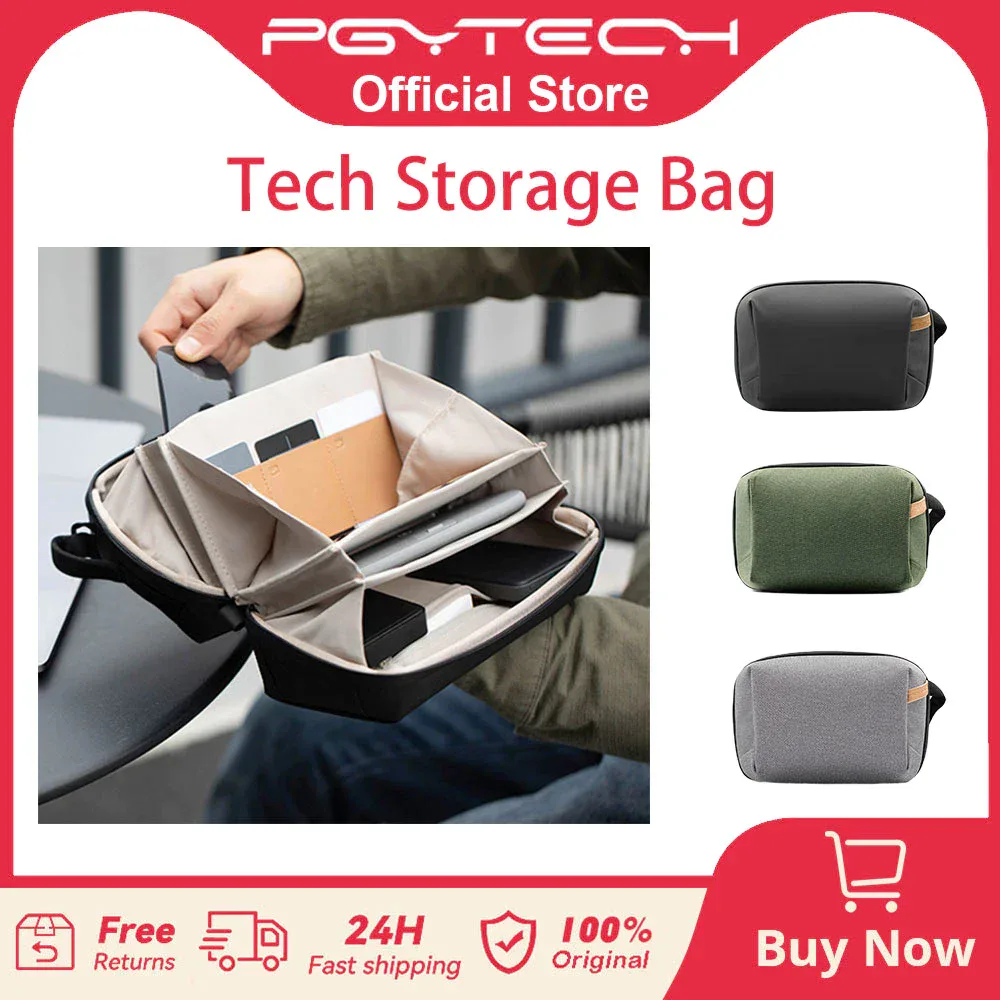
PGYTECH
Sac organisateur tech pour accessoires et DJI
From € 68,25
 Choisir
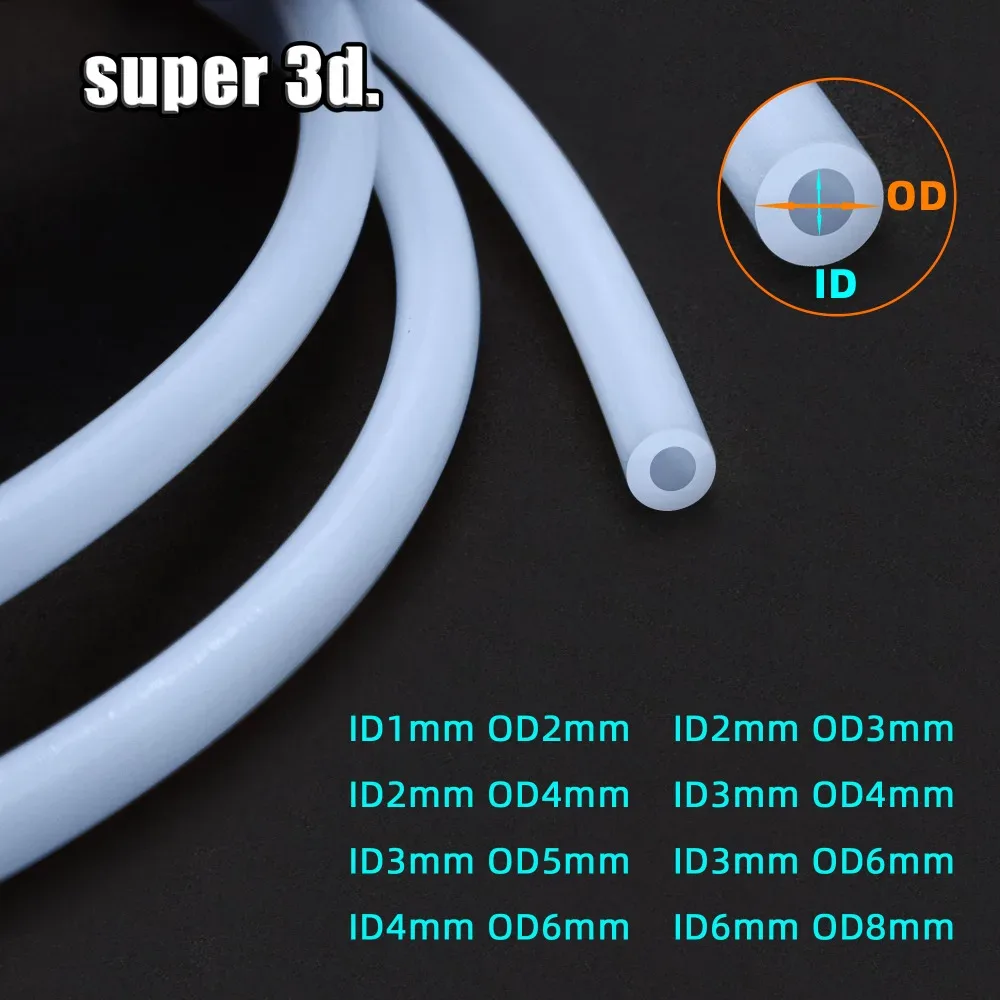
Vowenx
1 m PTFE Bowden tube for 3D printer
From € 5,65
 Choisir
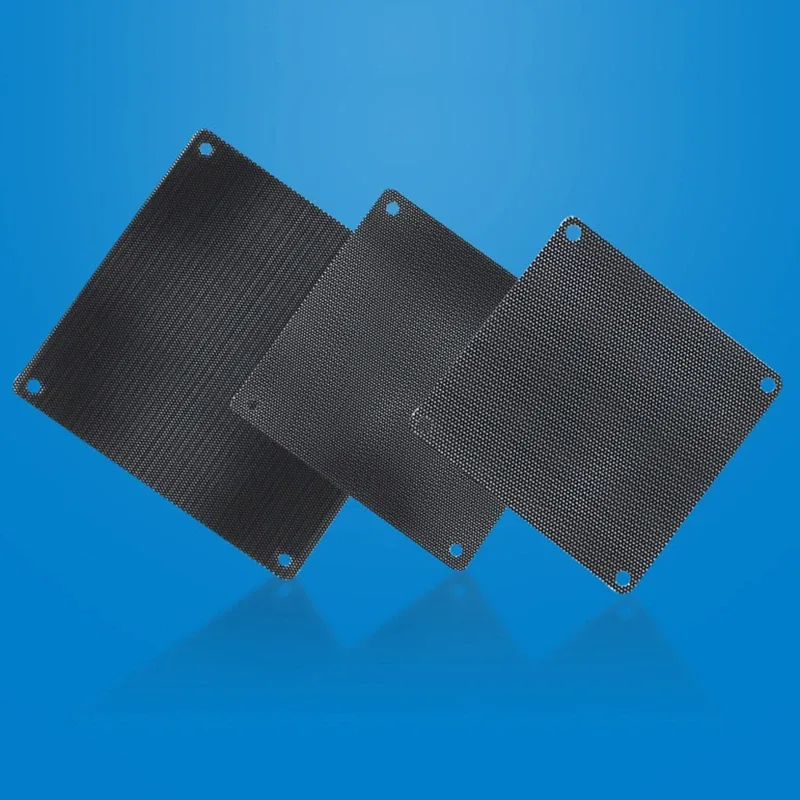
Vowenx
Magnetic dust filter for PC fan
From € 7,26
 Choisir
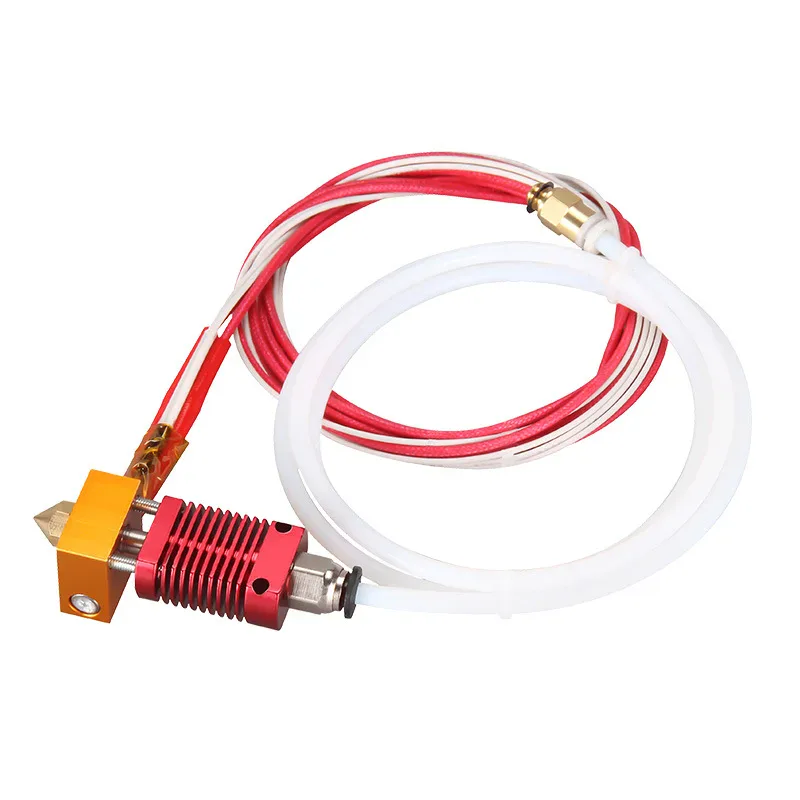
Vowenx
Metal hotend kit for Creality Ender 3 and CR-10
From € 13,44
 Choisir
Vowenx
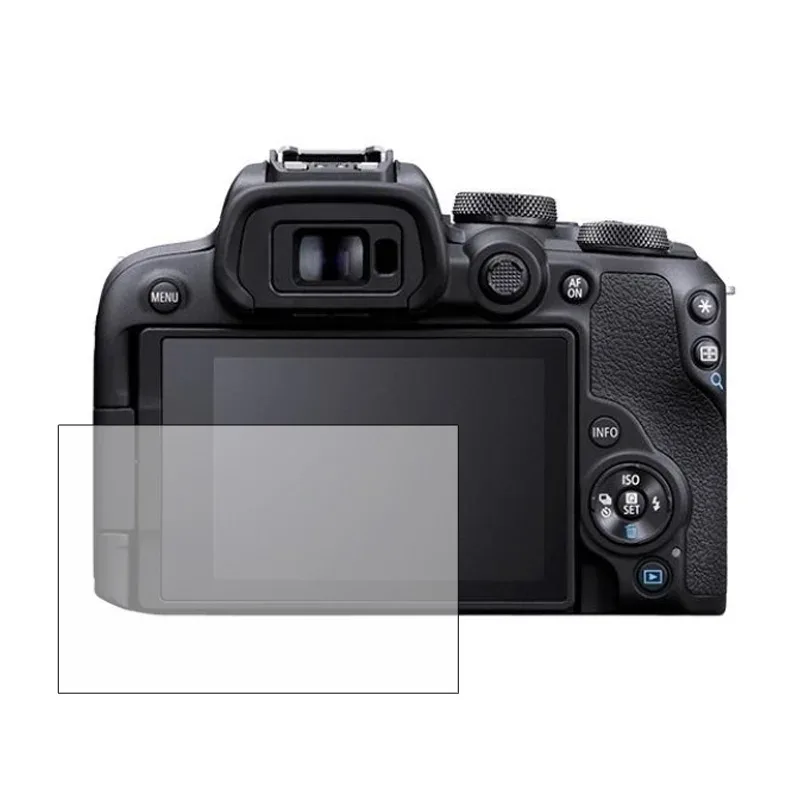
Tempered glass screen protection for Canon EOS R
From € 9,81
 Choisir
Vowenx
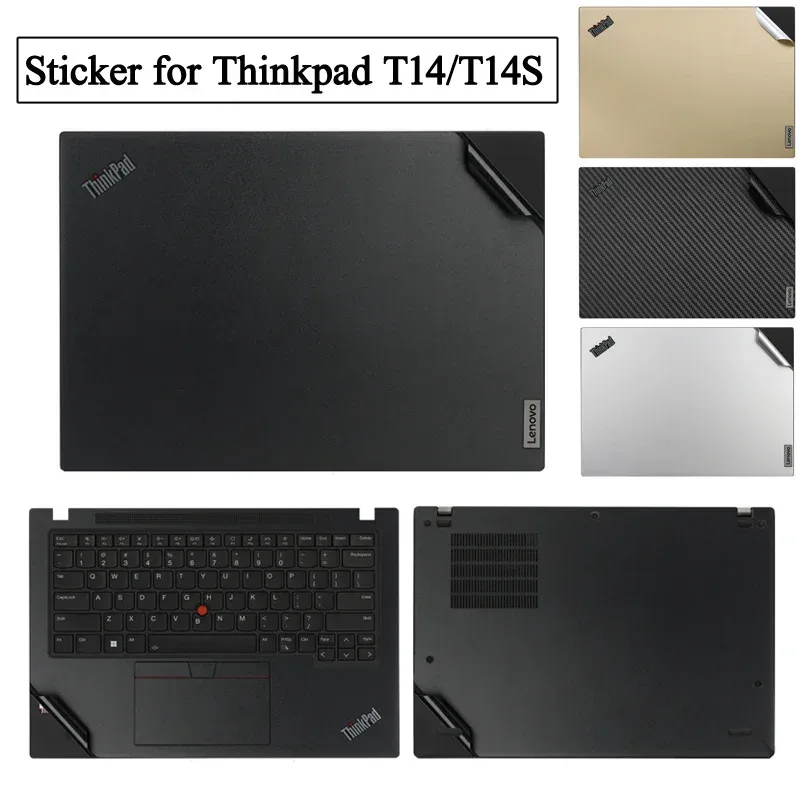
Pre-cut anti-fingerprint film for ThinkPad T14/T14s
€ 44,02
 Choisir
Vowenx
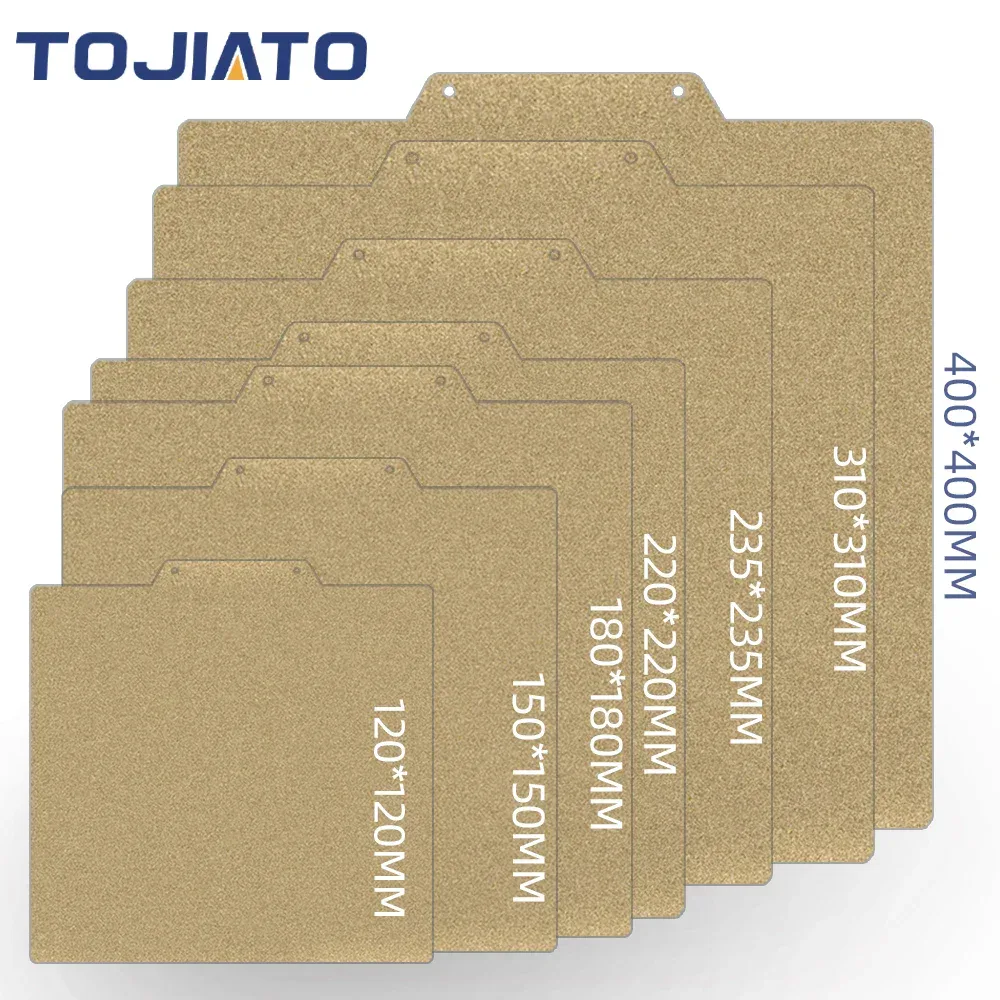
Flexible magnetic PEI powder-coated build plate for 3D printer
From € 23,34
 Choisir
Vandlion
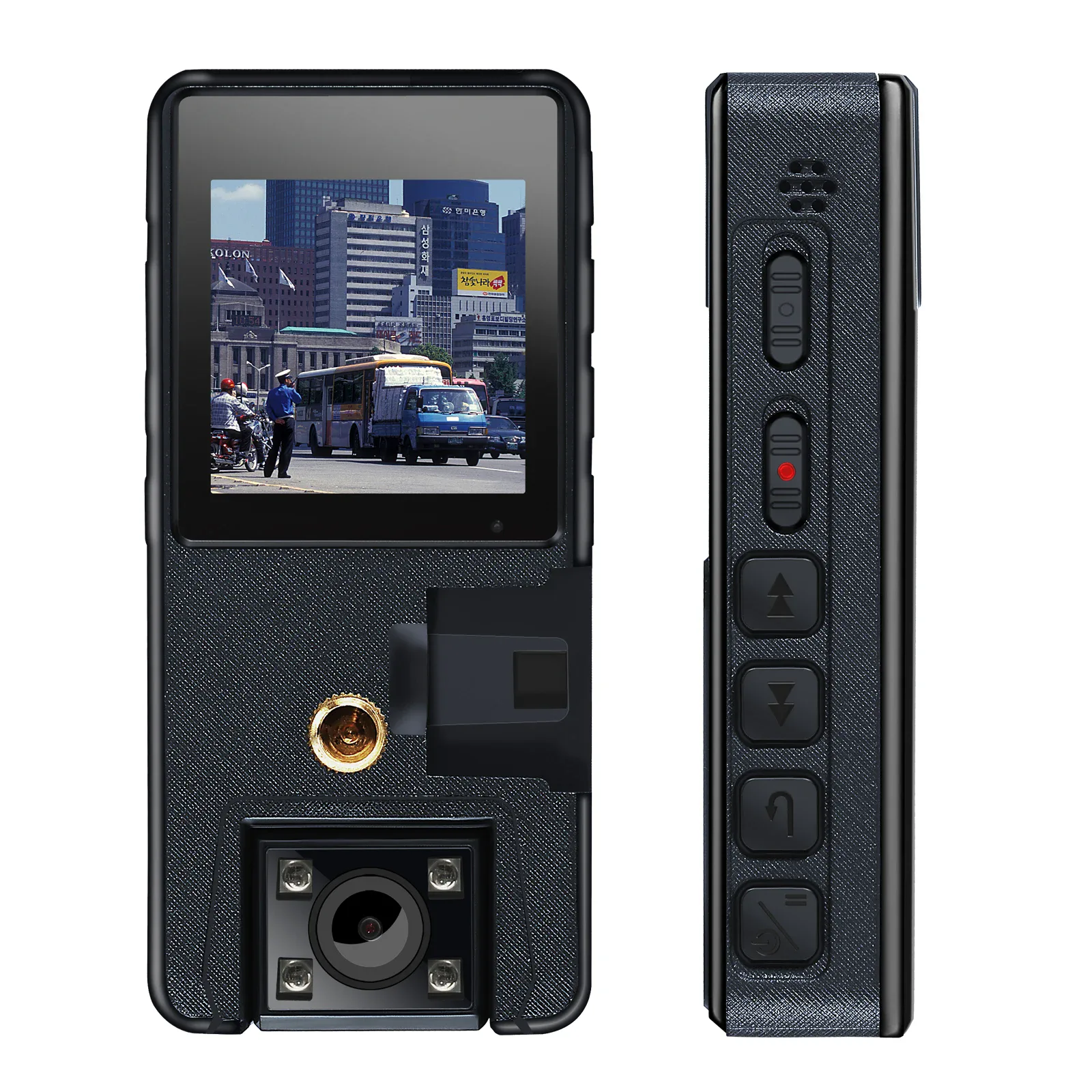
Mini camera A39 Full HD 1080P wide angle
From € 54,75
 Choisir
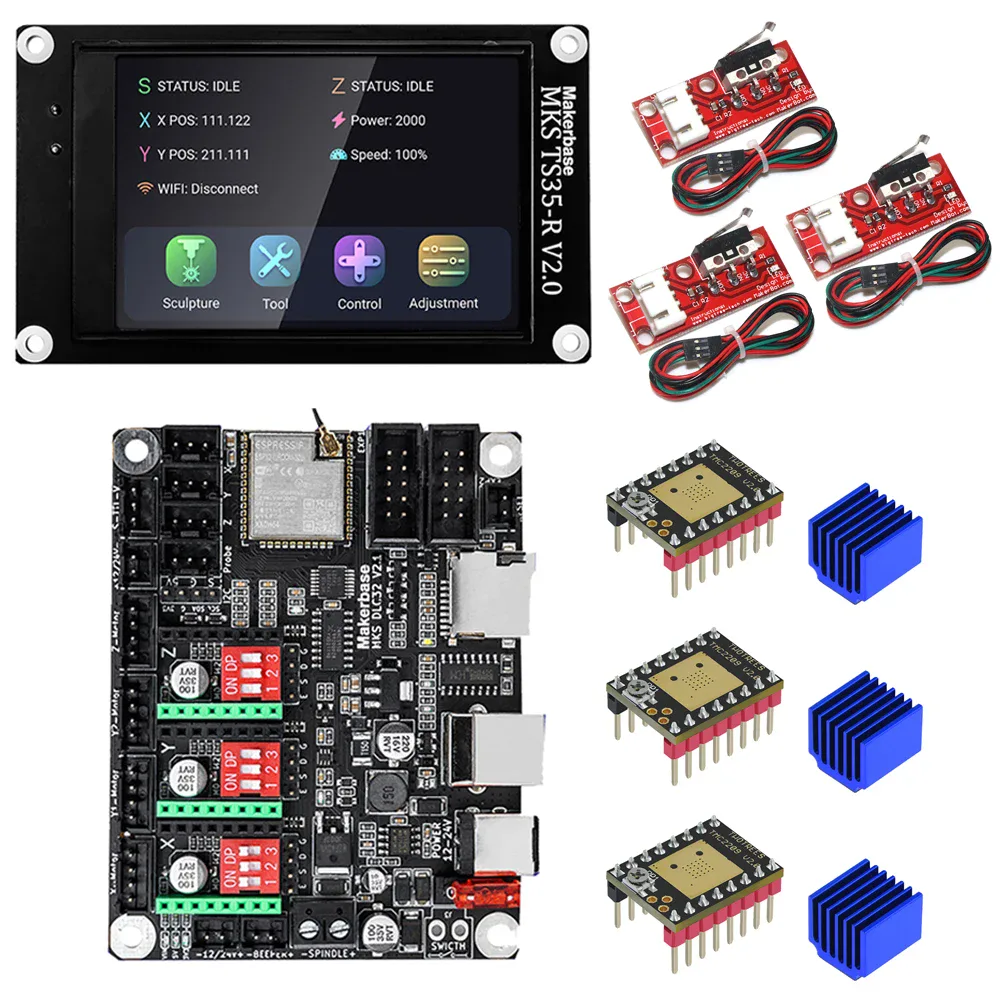
Makerbase
MKS DLC32 32-bit motherboard for laser
From € 19,16
 Choisir
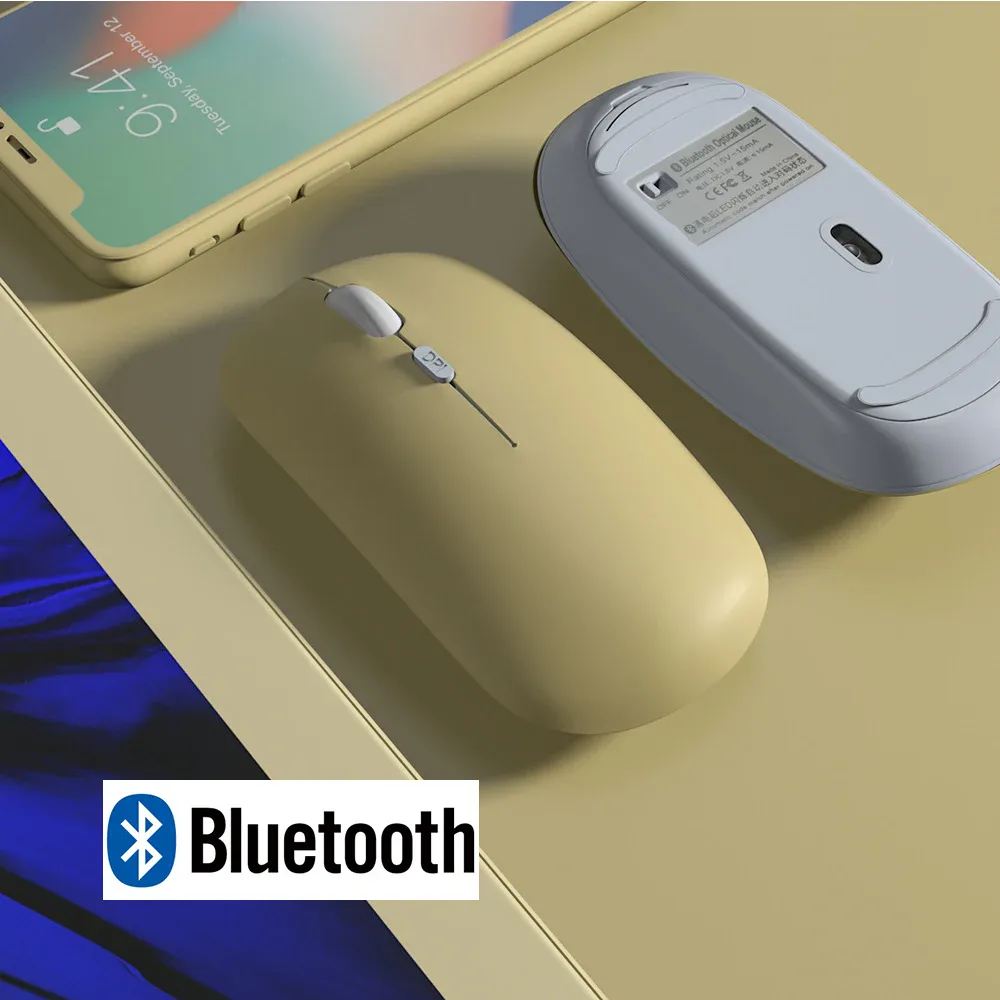
Vowenx
Wireless Bluetooth mouse for iPad and Android tablets
From € 10,80
 Choisir
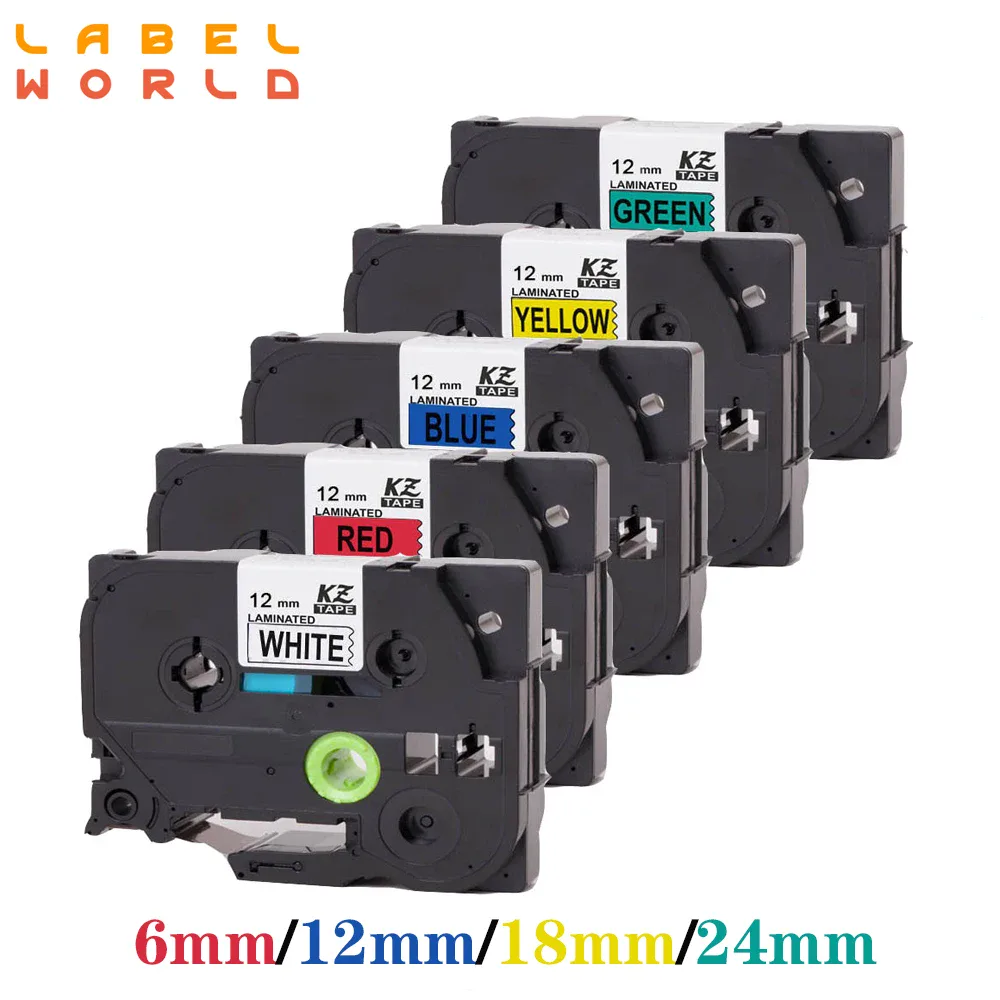
Vowenx
Multicolor Brother P-touch compatible label tapes
From € 13,44
 Choisir
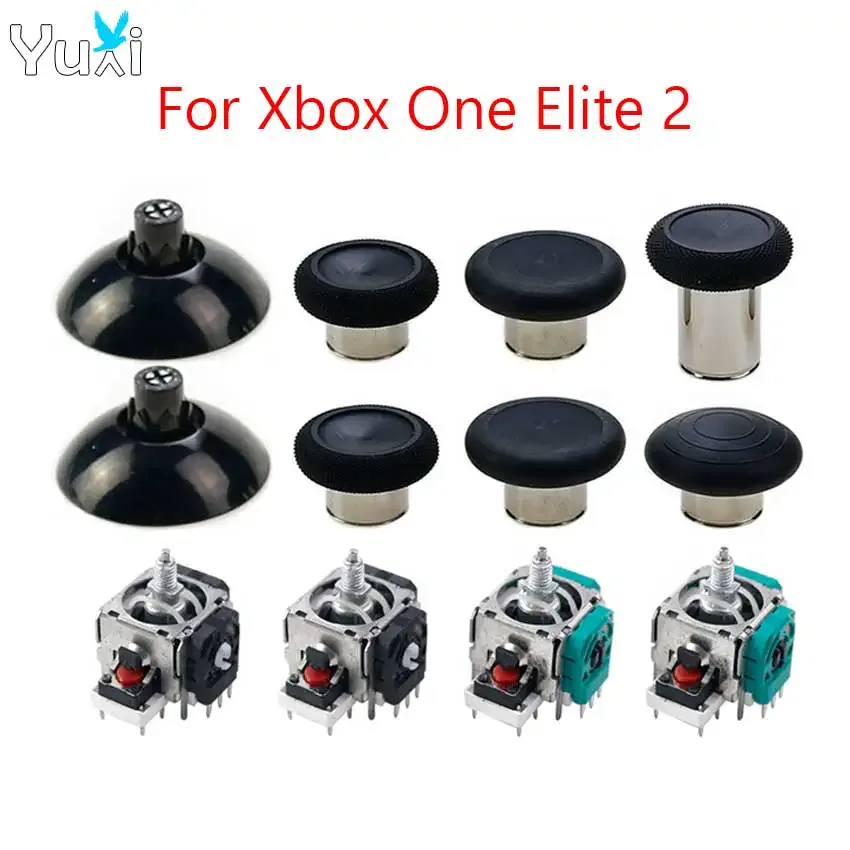
Vowenx
3D analog joystick for Xbox Elite 2 controller
From € 11,90
 Choisir
GameSir
Wired GameSir G7 SE Xbox and PC Controller (Hall Effect)
€ 72,84
 Choisir
Vowenx
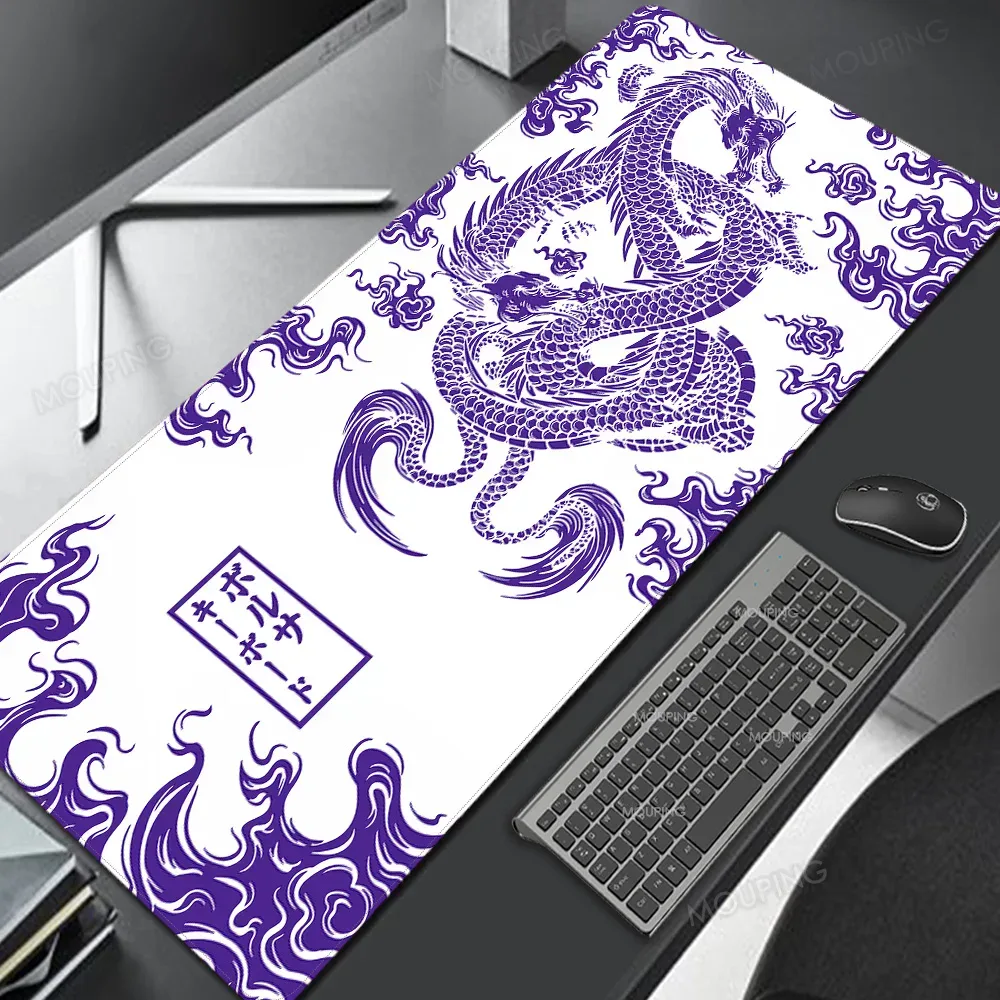
Large XXL mouse mat with purple and white dragon pattern
From € 33,68
 Choisir
Vowenx
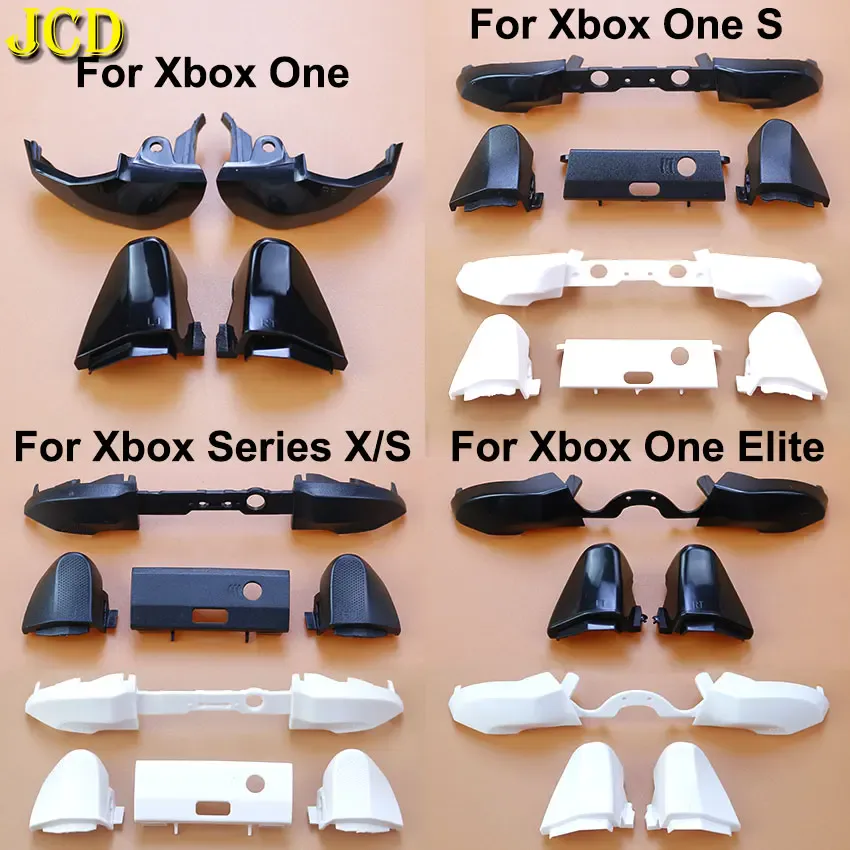
RB LB buttons and trigger mount for Xbox controller
From € 9,98
 Choisir
Vowenx
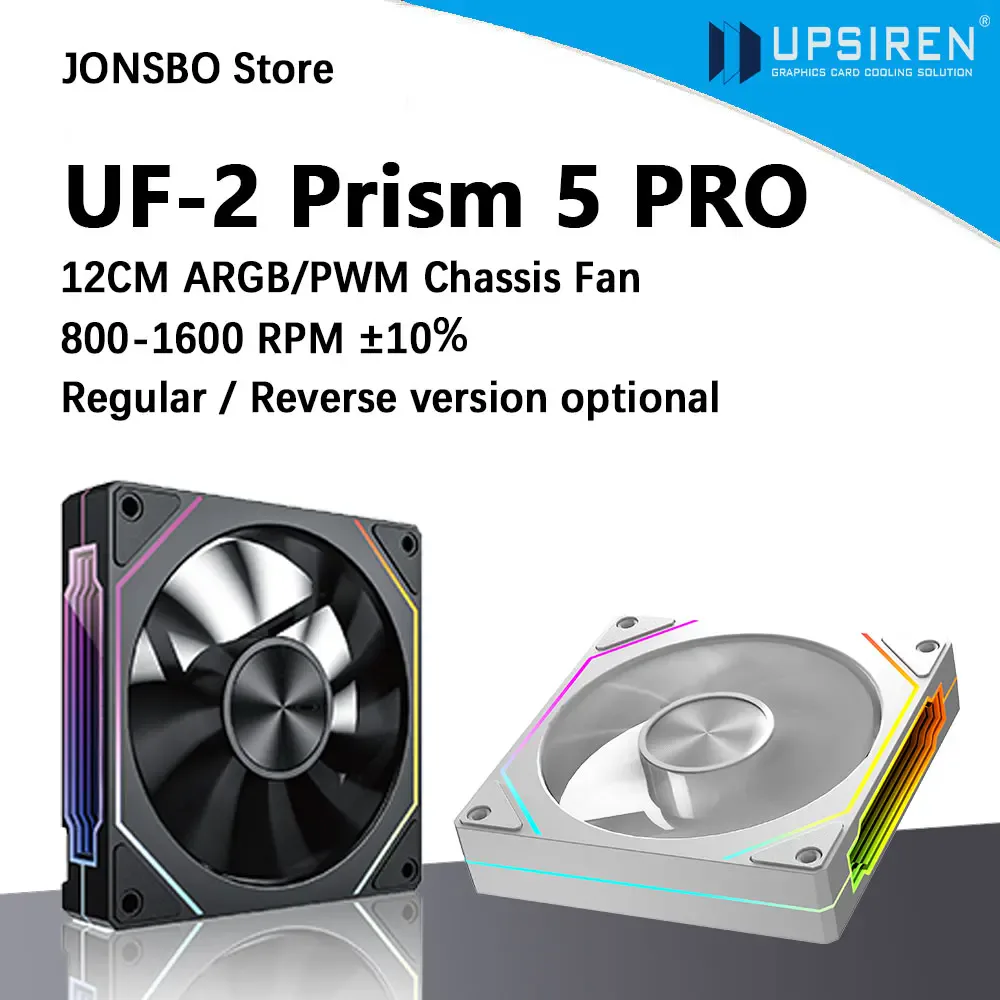
PC case fan 120 mm ARGB fluid bearing
€ 23,12
 Choisir
Vowenx
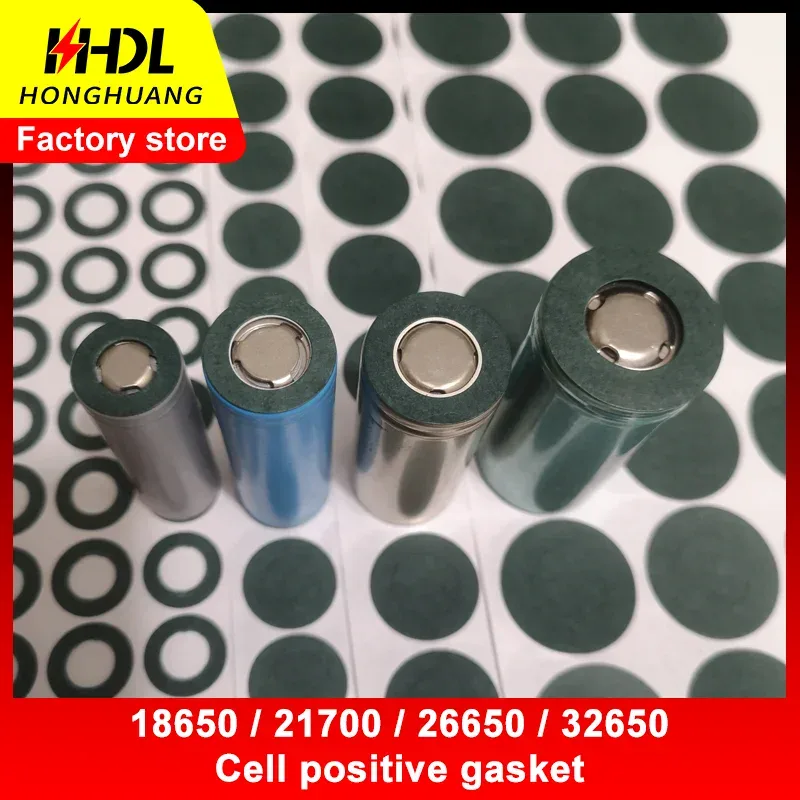
Insulation gaskets for 18650 21700 batteries (set)
From € 6,57
 Choisir
Vowenx
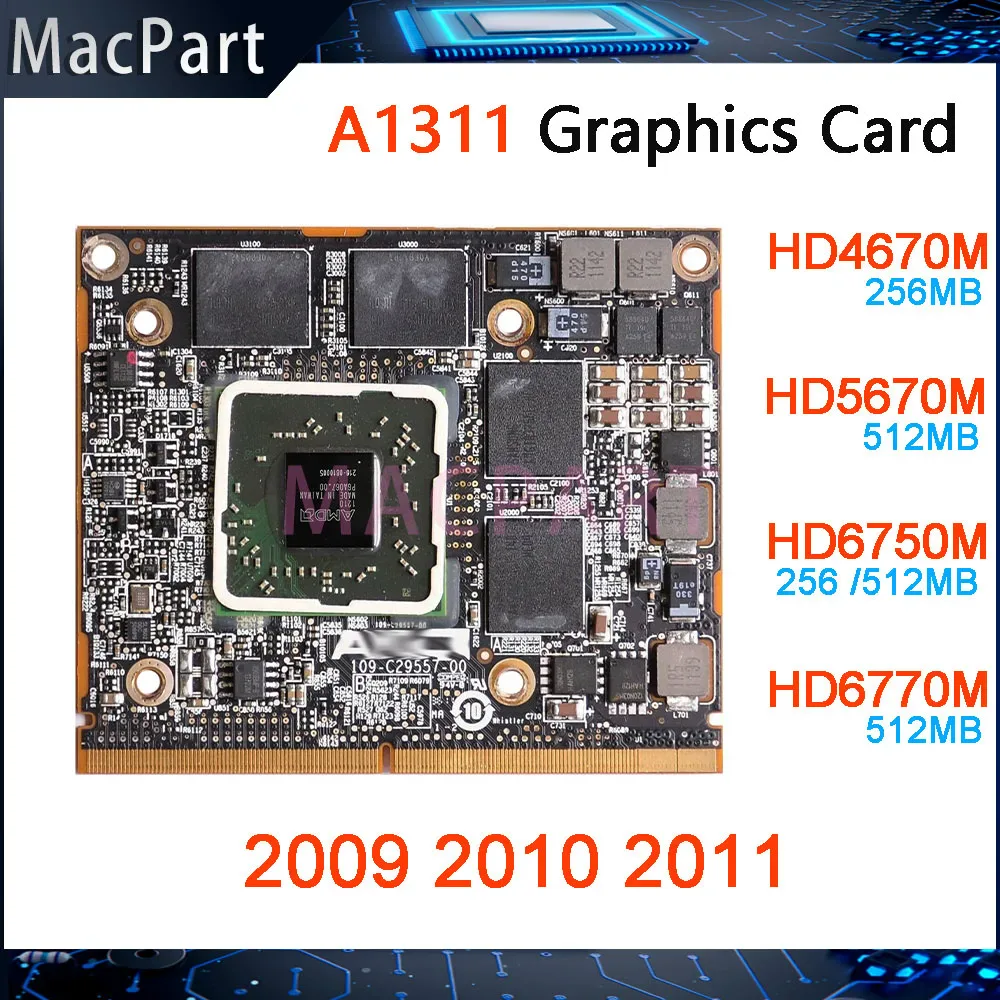
Replacement graphics card for iMac 21.5 A1311
From € 36,76
 Choisir
Vowenx
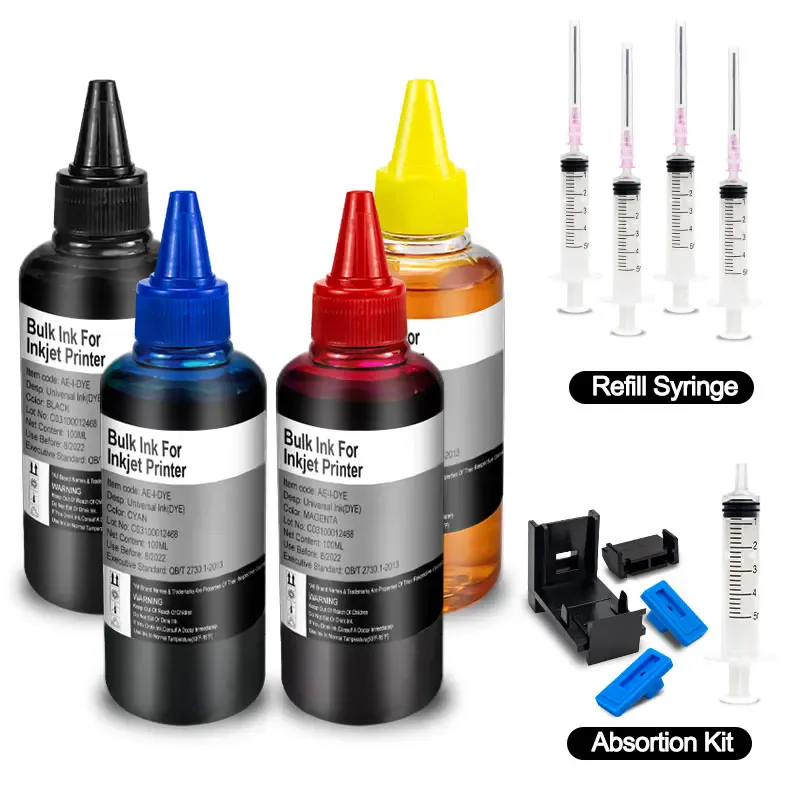
Universal ink refill kit for printer
From € 26,64
 Choisir
iDsonix
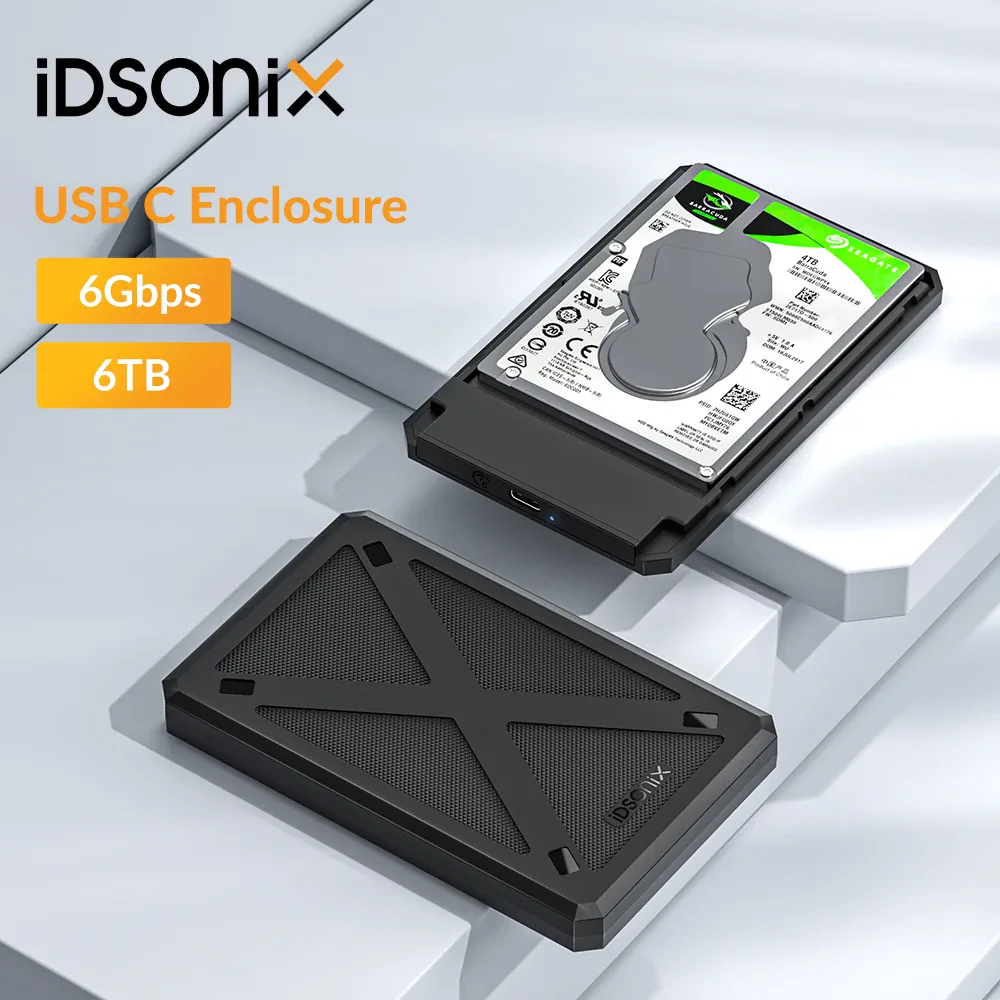
2.5-inch SATA USB-C hard drive case
From € 18,28
 Choisir
PGYTECH
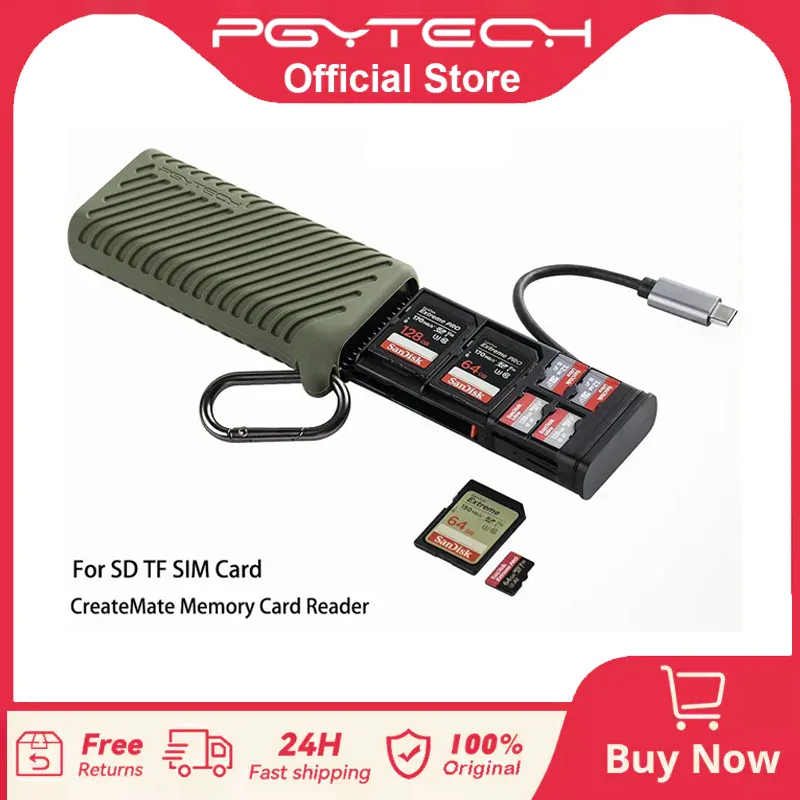
CreateMate USB-C SD and TF Card Reader
From € 50,70
 Choisir
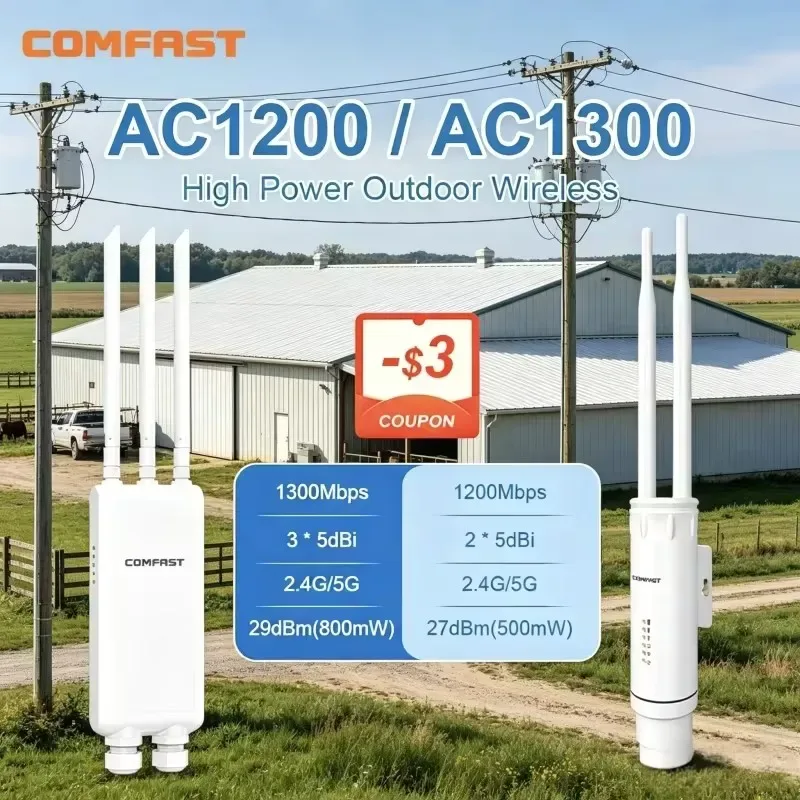
COMFAST
Outdoor AC1200 dual-band WiFi access point IP66 PoE
From € 82,83
 Choisir
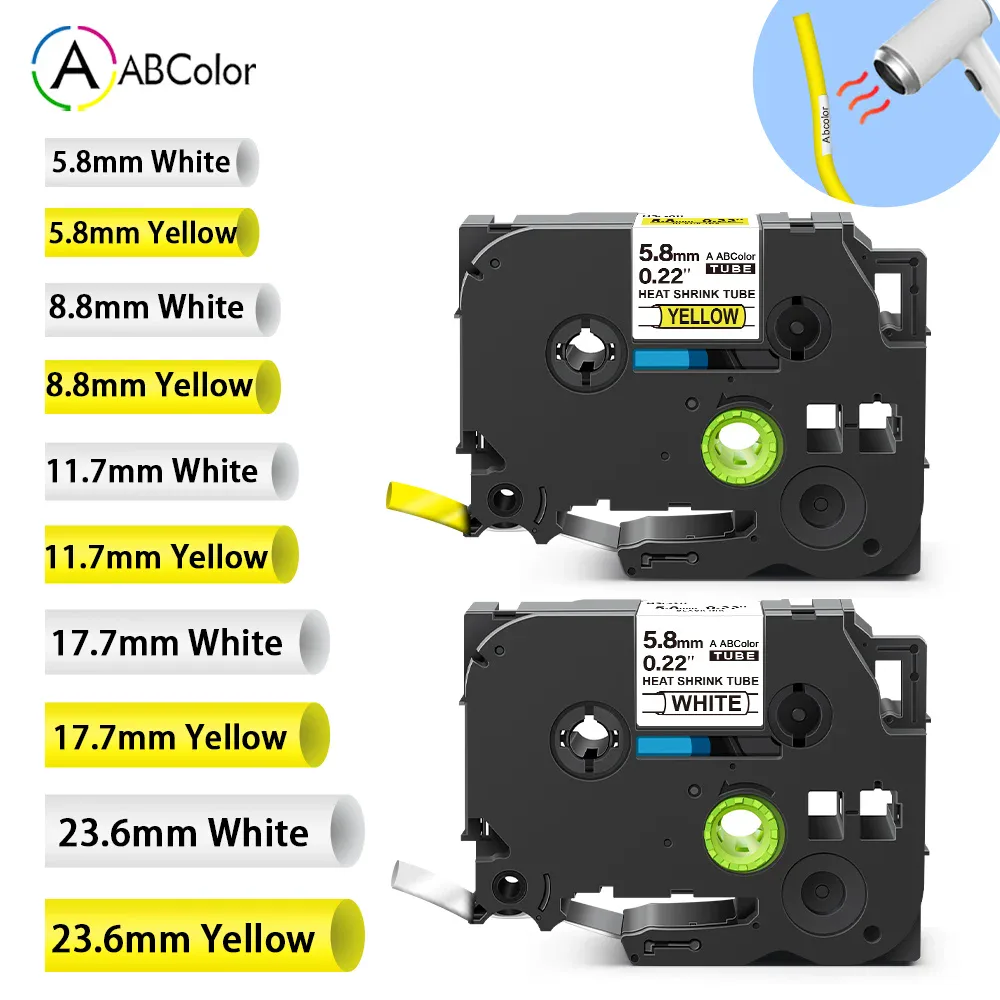
Vowenx
HSe heat-shrink sheath for Brother label maker
From € 18,06
 Choisir
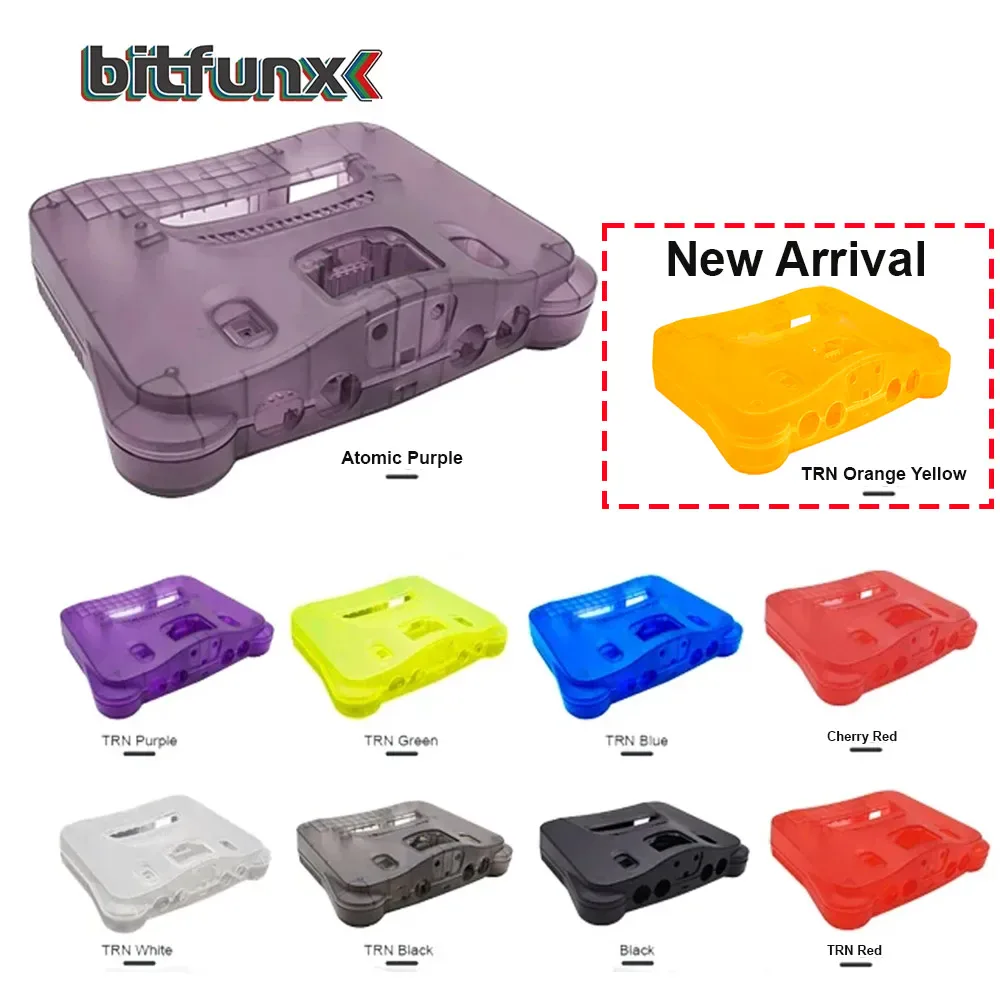
Vowenx
Translucent replacement shell for Nintendo 64 console
From € 59,61
 Choisir
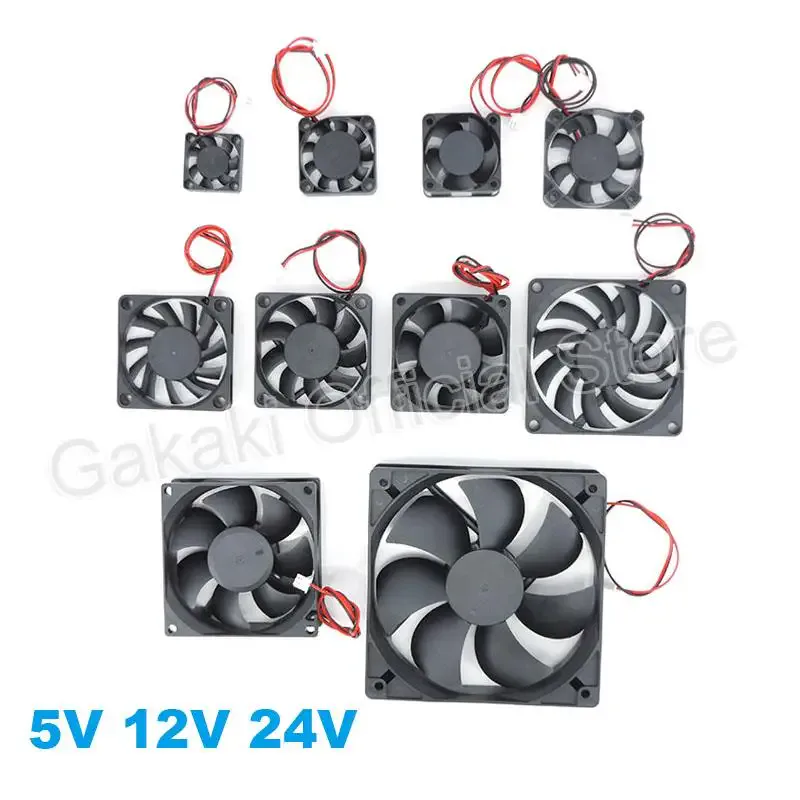
Vowenx
DC cooling fan for PC and 3D printer
From € 9,08
 Choisir
Vowenx
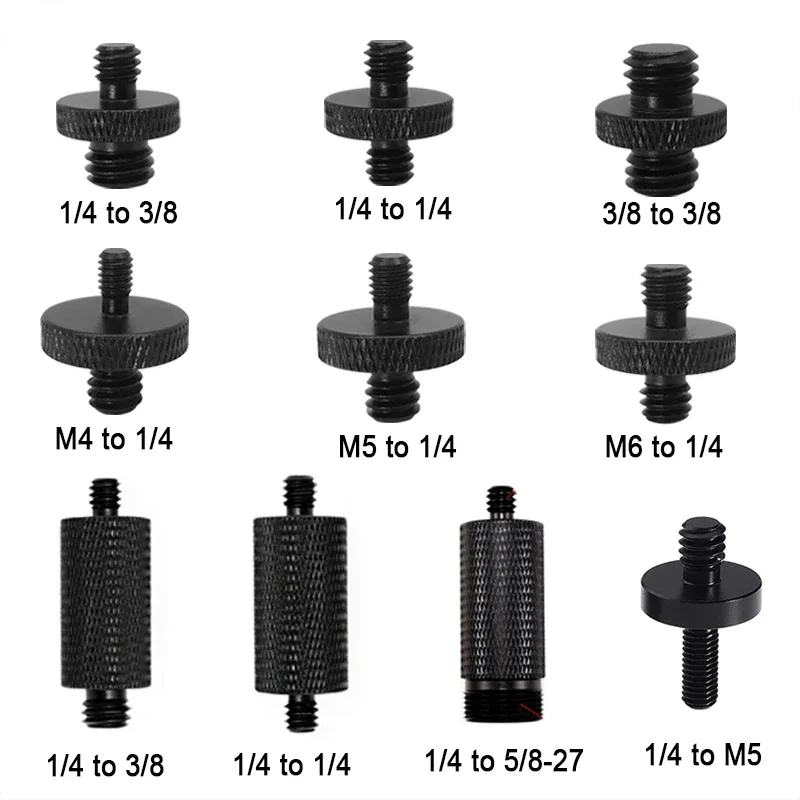
Conversion screw 1/4 to 3/8 for photo tripod
From € 6,79
 Choisir
Vowenx
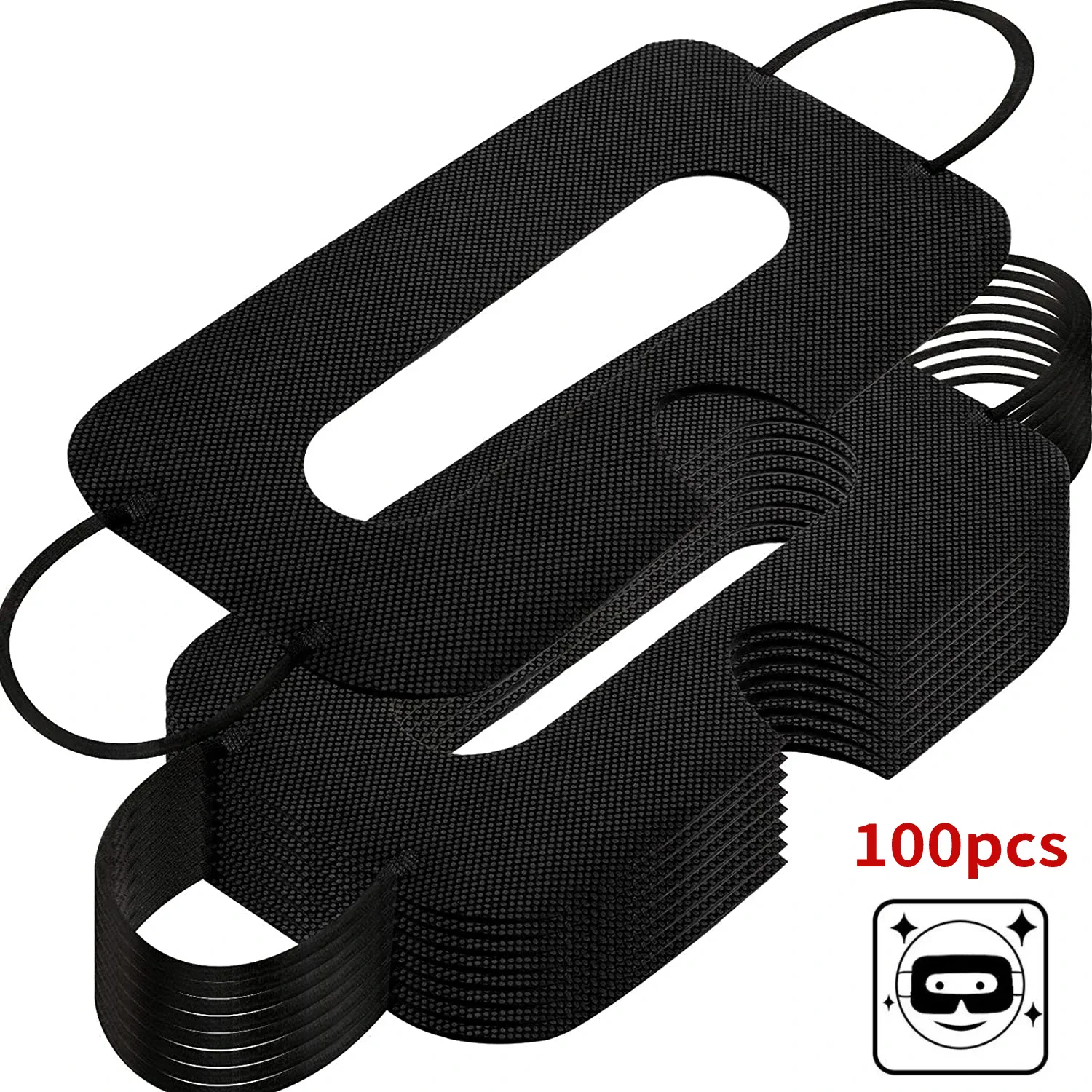
Disposable hygiene masks for VR Quest and Pico helmets
From € 23,93
 Choisir
Vowenx
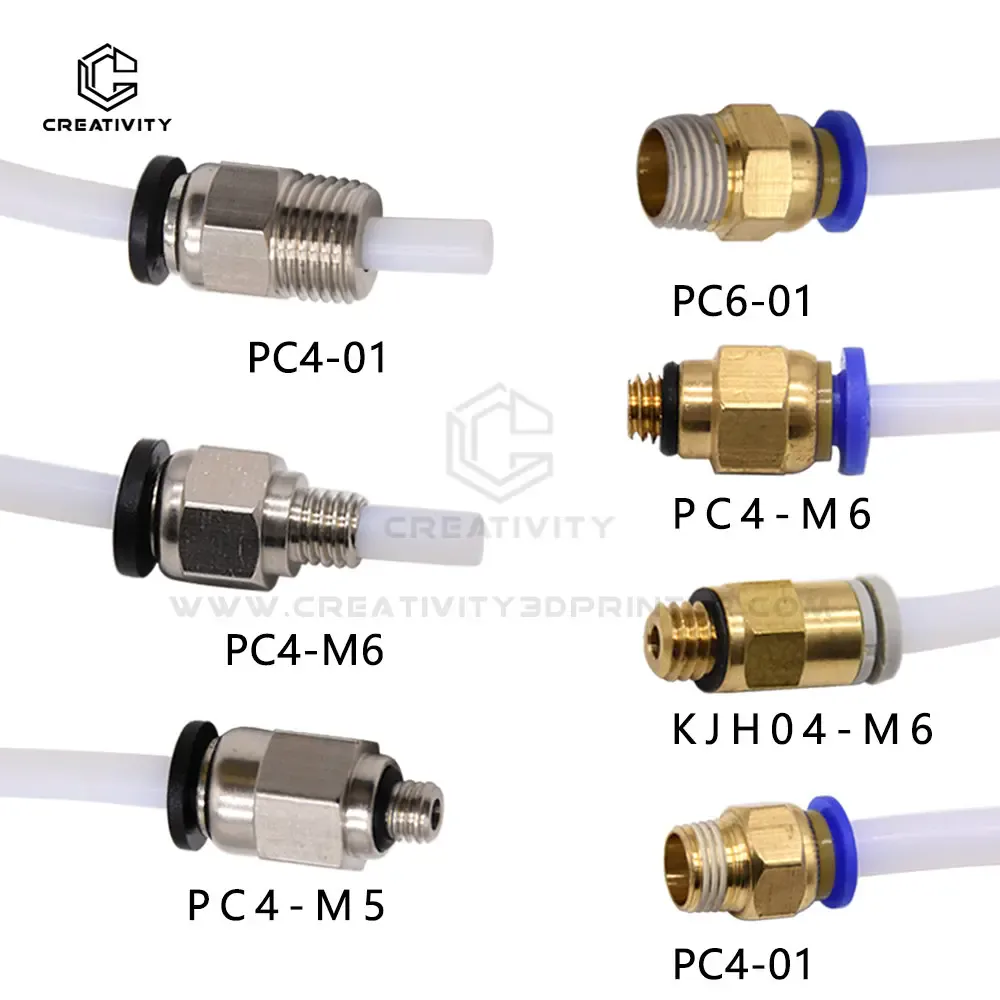
PC4 pneumatic fittings for PTFE tube 3D printer
From € 6,22
 Choisir
Vowenx
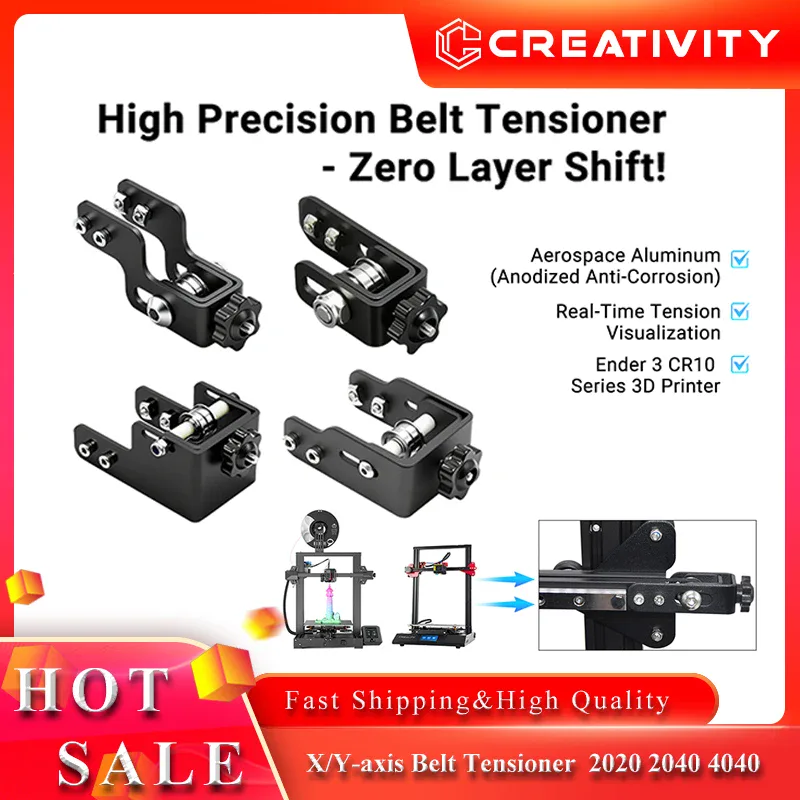
Aluminum belt tensioner for 3D printer Ender CR-10
From € 22,02
 Choisir
Vowenx
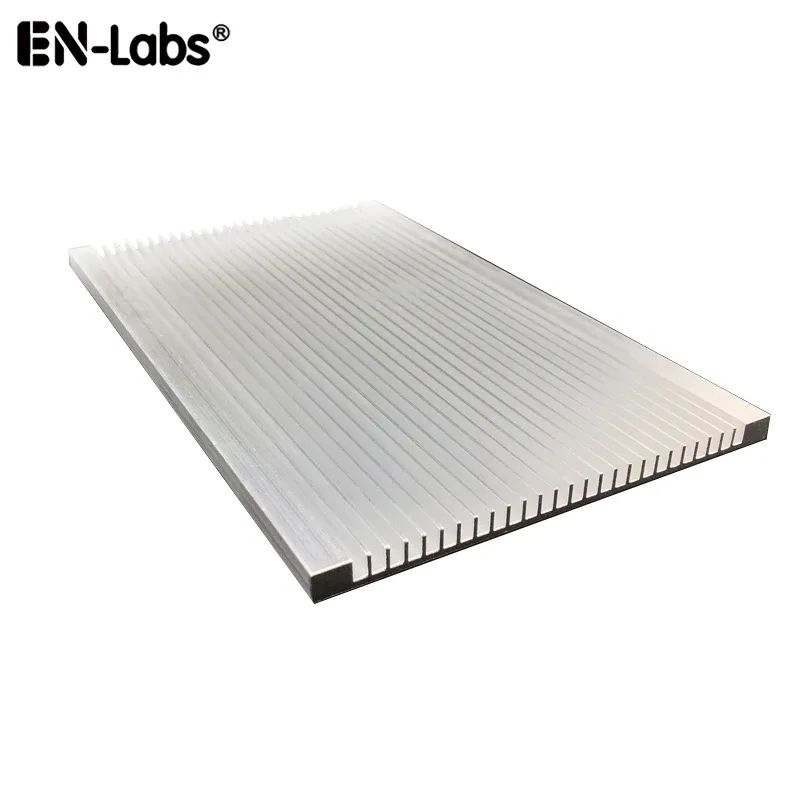
120 mm aluminum heat sink for LED and amplifier
From € 20,26
 Choisir
Vowenx
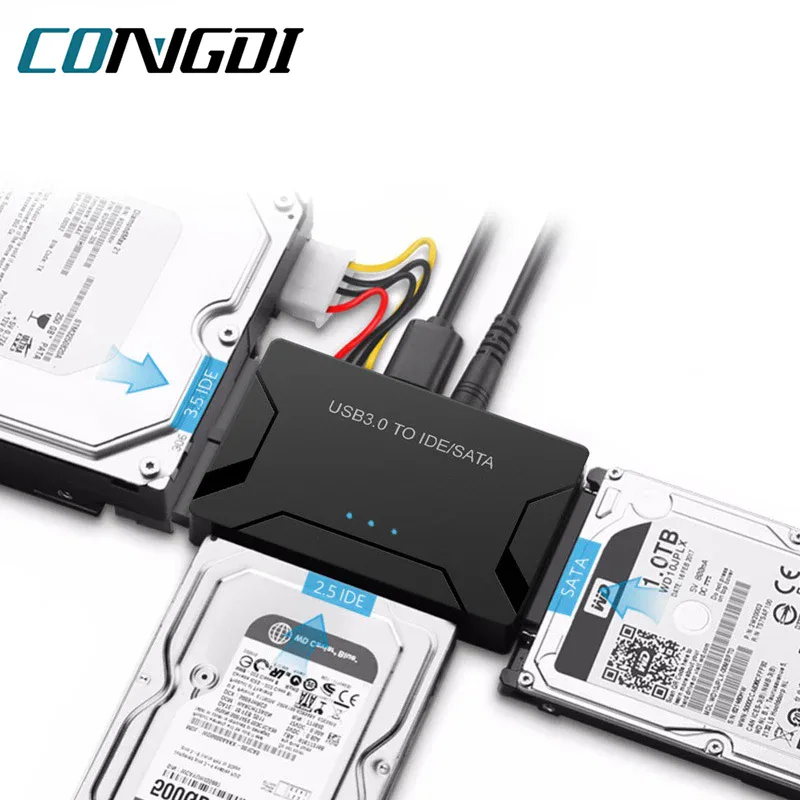
USB 3.0 to SATA and IDE adapter for hard drive
From € 41,16
 Choisir
FLY
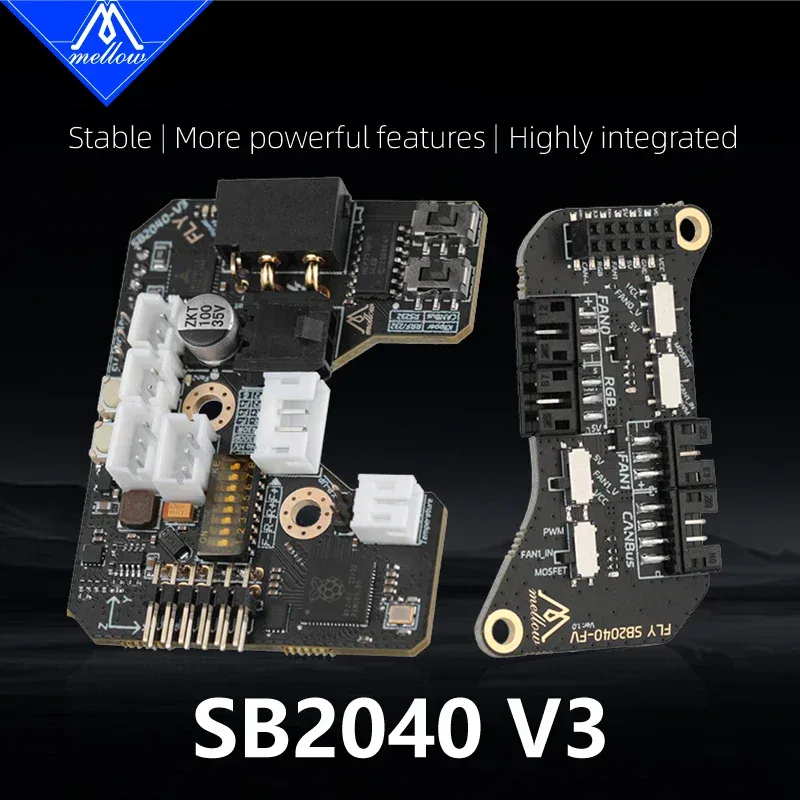
SB2040 V3 tool head card for Voron Klipper
From € 36,98
Vowenx
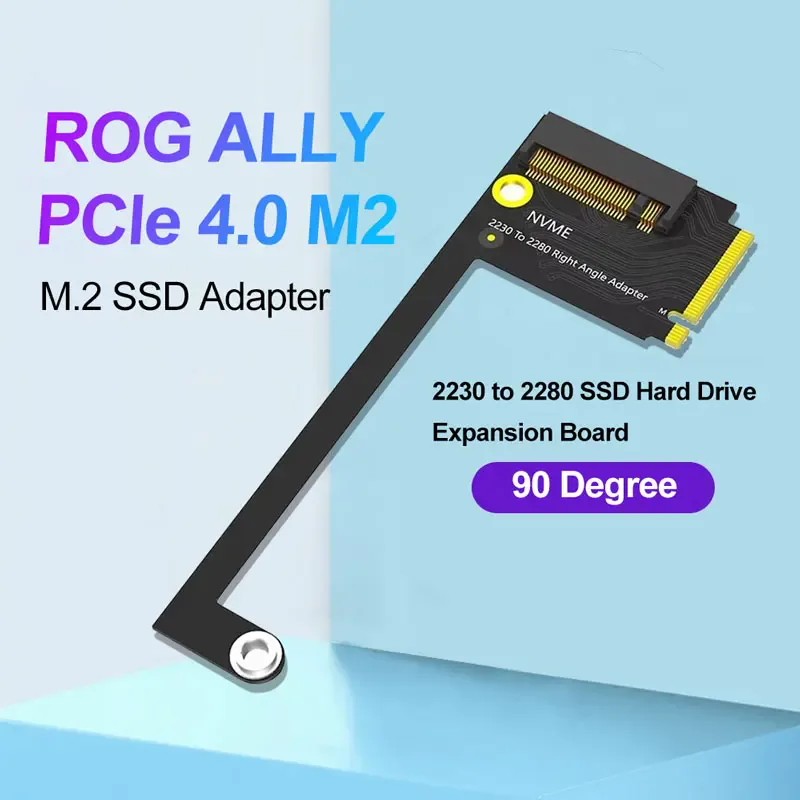
SSD Adapter M.2 2230 to 2280 for ROG Ally
€ 42,26
 Choisir
Vowenx
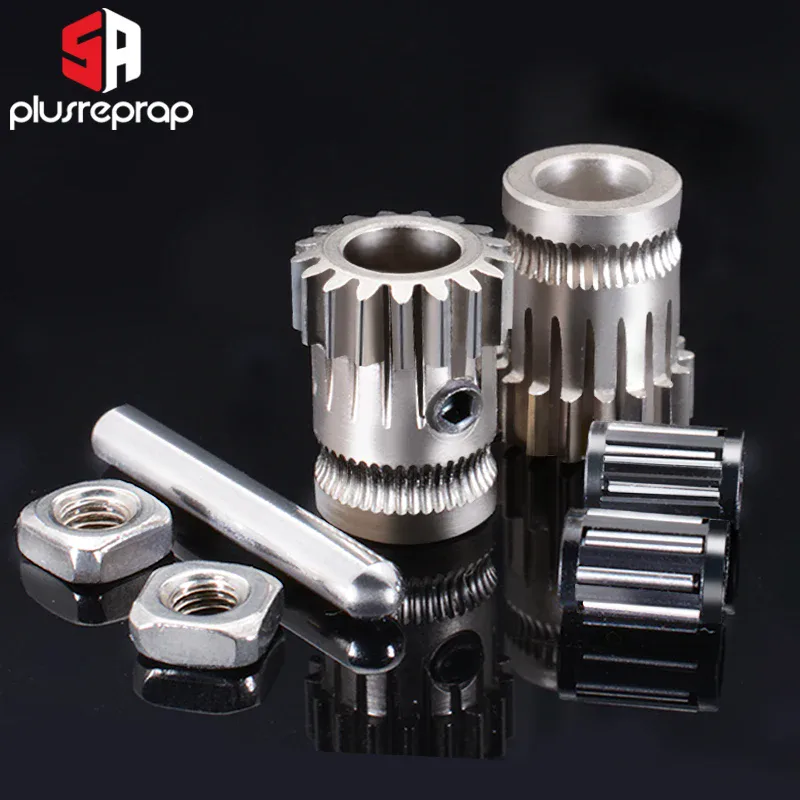
BMG-type extruder gears for 3D printer
From € 11,90
Vowenx
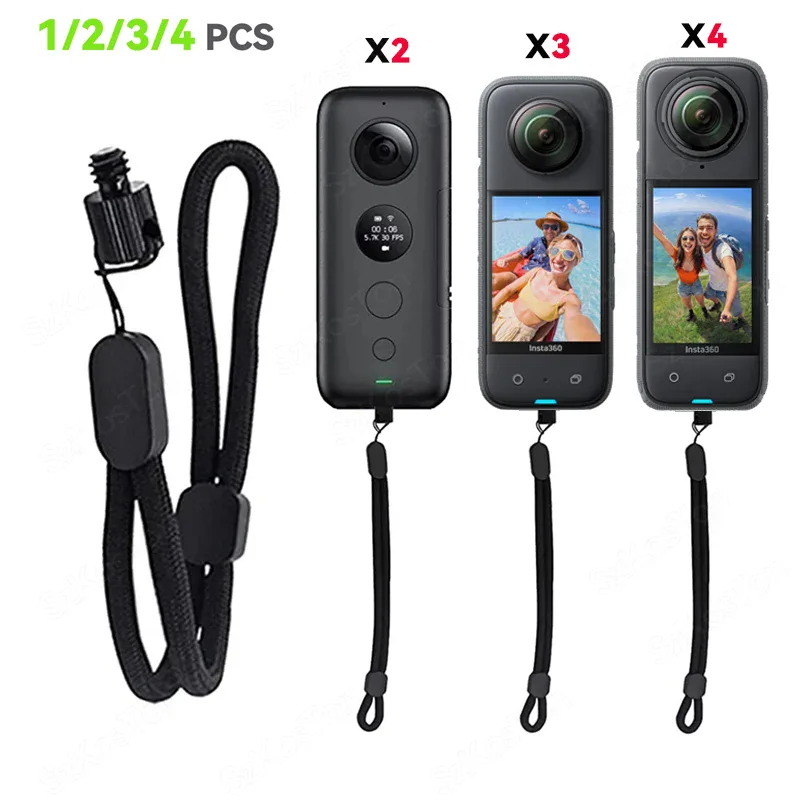
Anti-loss wrist strap for Insta360 and camera
€ 14,10
Vowenx
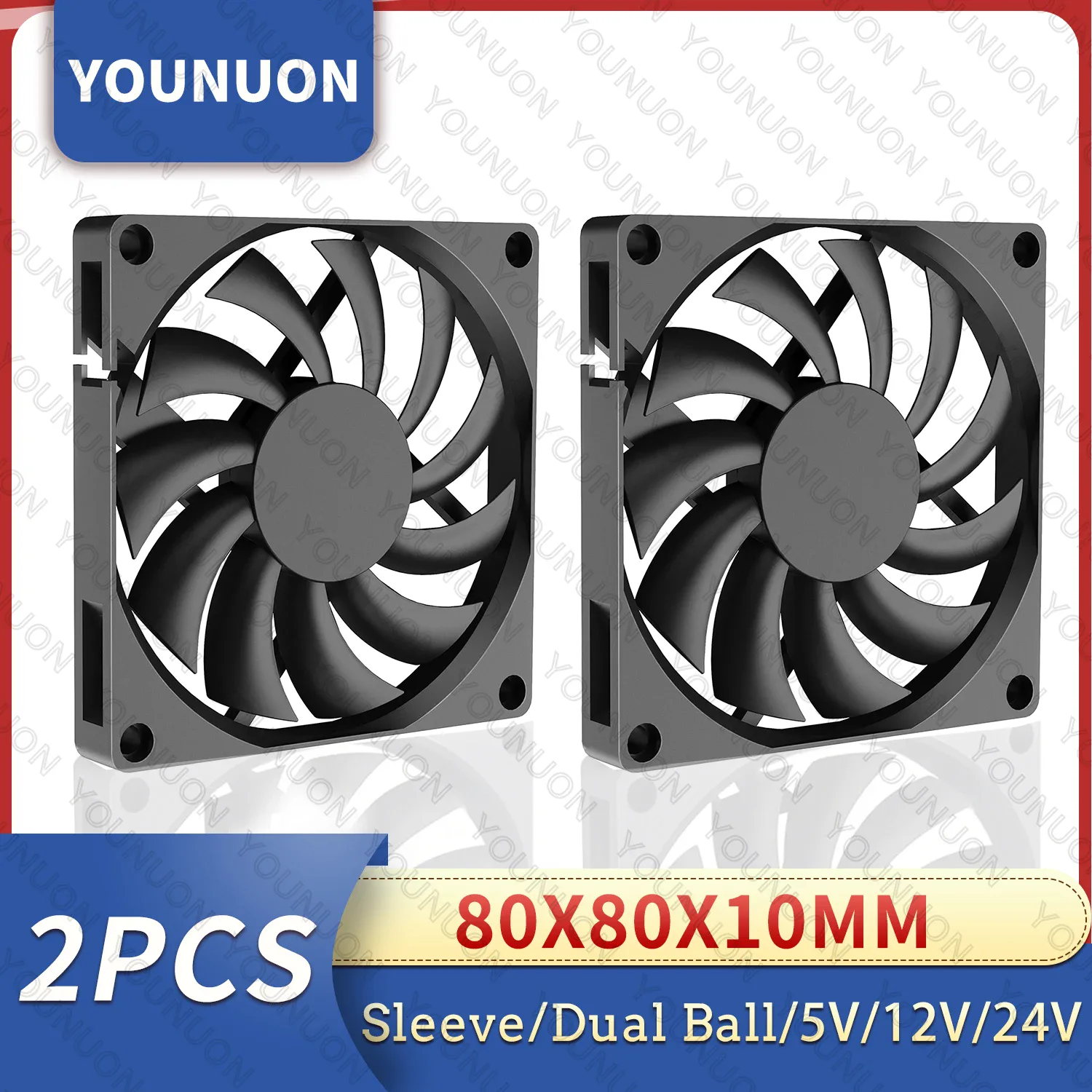
80 mm 8010 fan, pack of 2, 5V 12V or 24V
€ 24,88
Vowenx
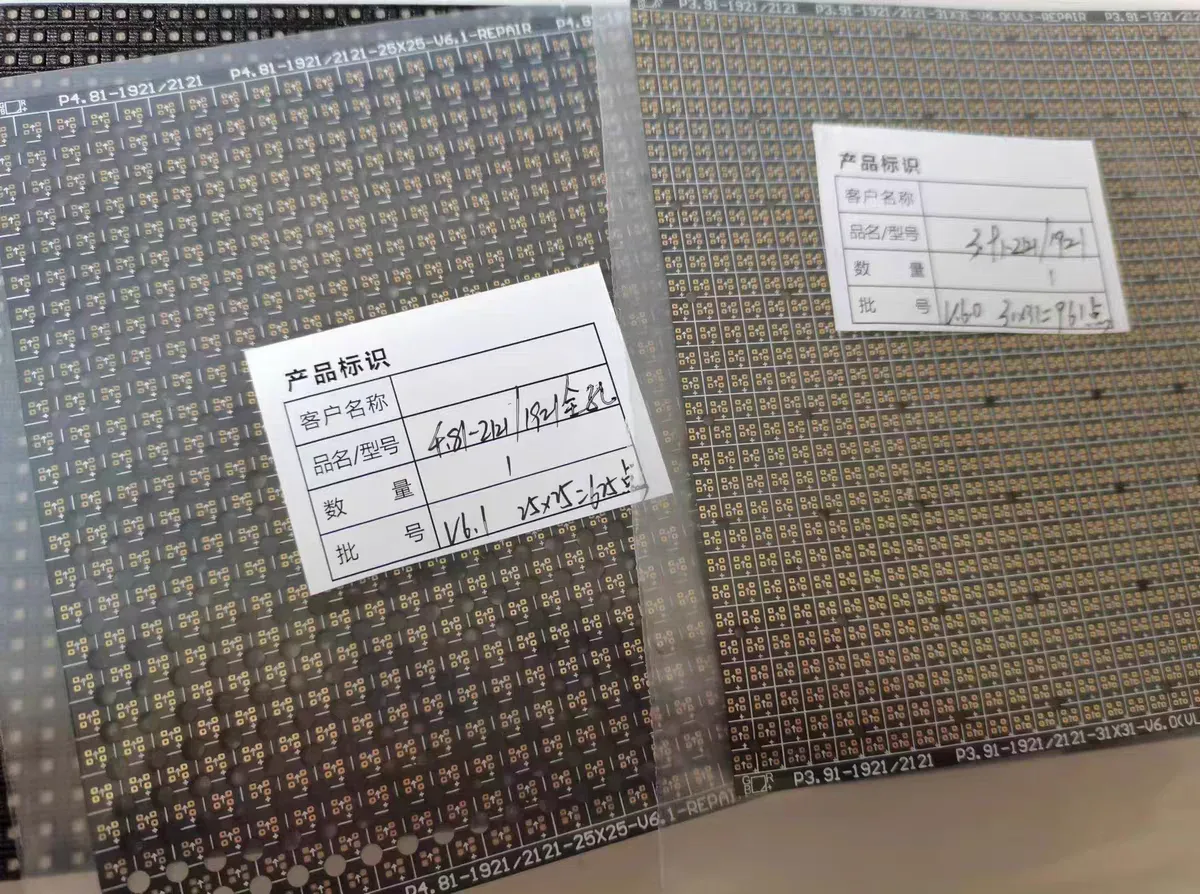
Circuit maintenance paper for LED screen repair
€ 50,62
Vowenx
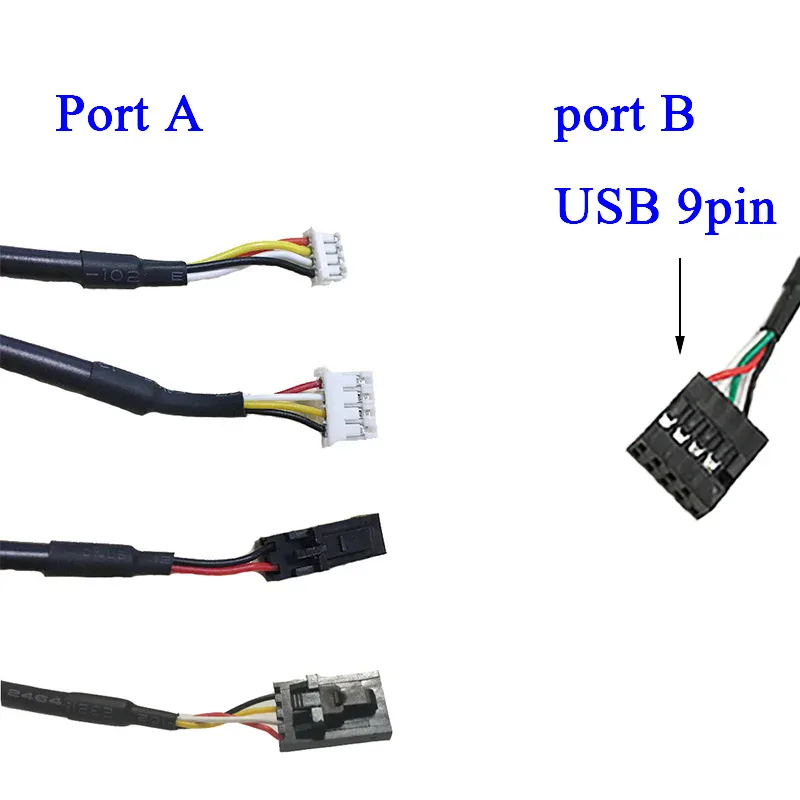
Internal USB 9-pin Bluetooth cable for PC WiFi card
€ 10,03
 Choisir
Vowenx
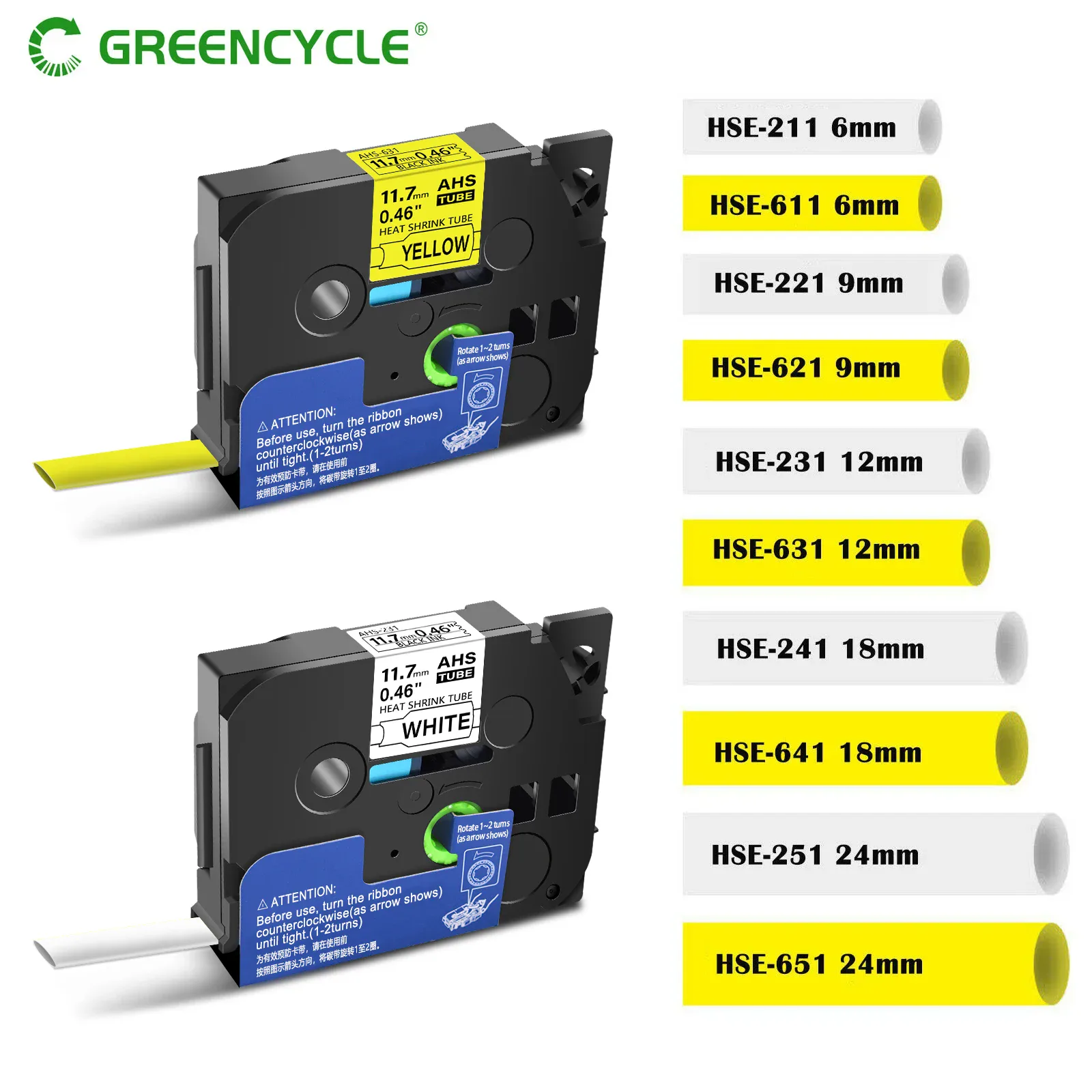
Heat-shrinkable tape for Brother P-touch label maker
From € 14,32
Vowenx
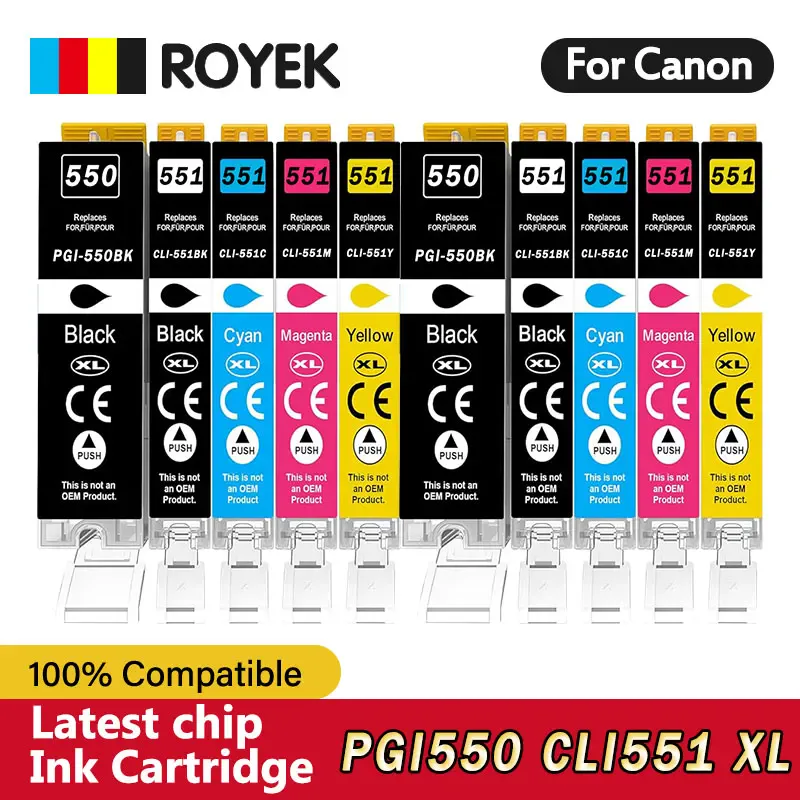
Compatible ink cartridges for Canon PGI-550 CLI-551
€ 63,82
 Choisir
Vowenx
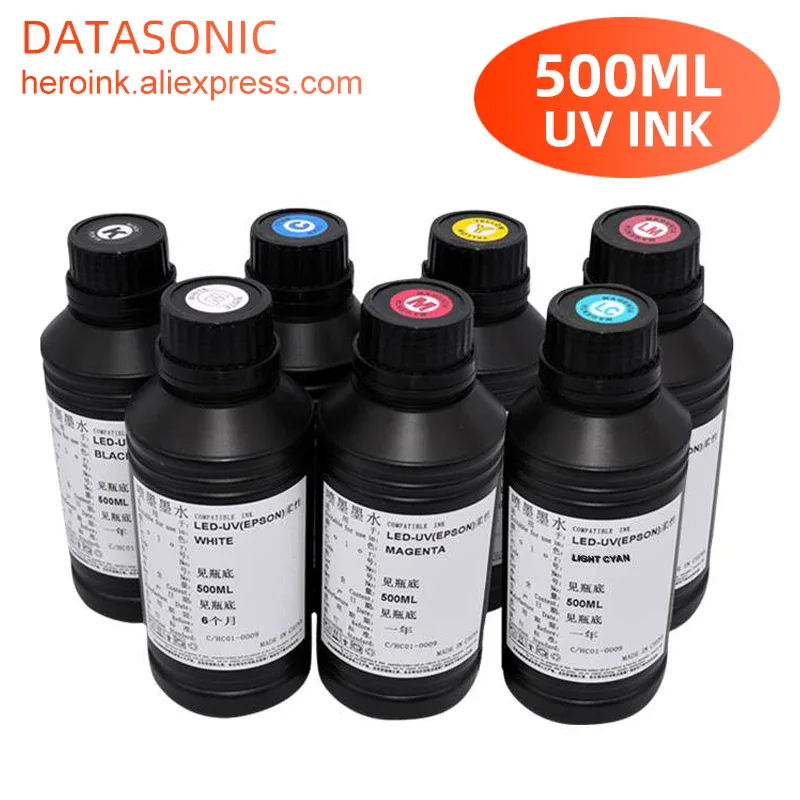
UV LED curable ink 500 ml for UV printer
€ 62,94
Vowenx
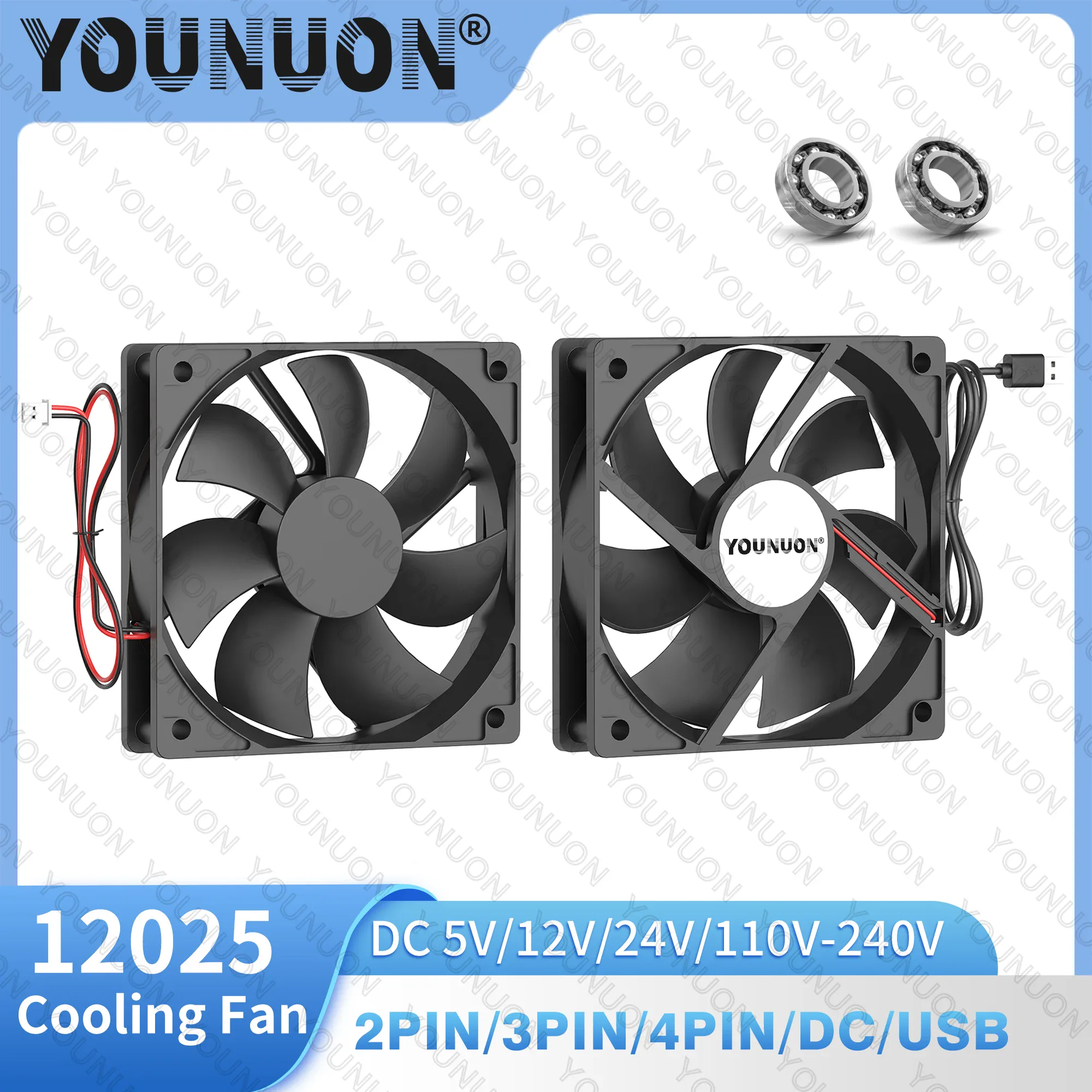
120 mm DC dual ball bearing fan
€ 40,72
 Choisir
SmallRig
Sling Handle for DJI RS Stabilizers
€ 127,78
 Choisir
PICKYYMAY
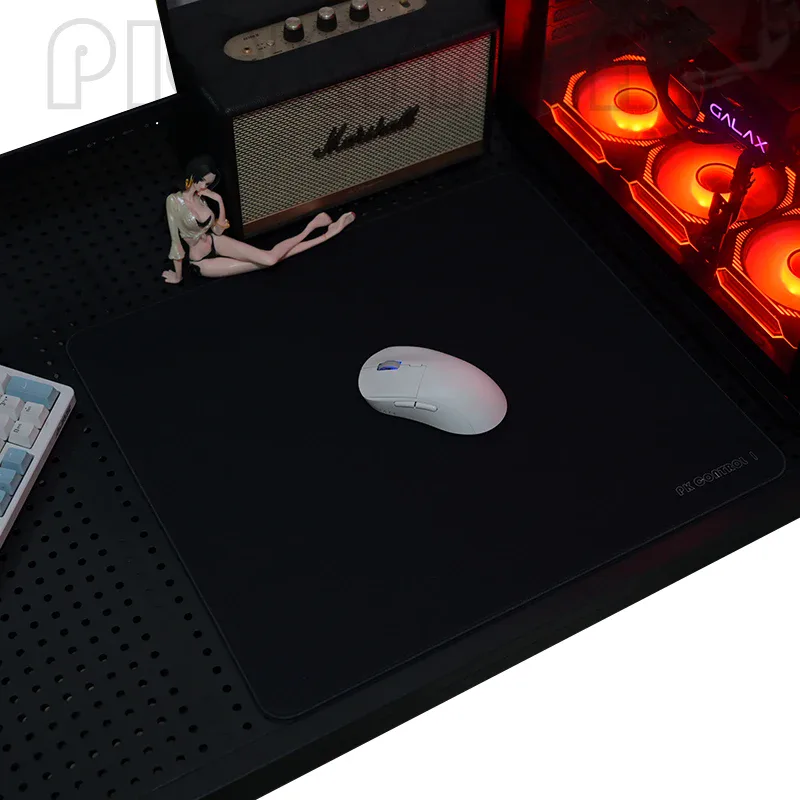
Gaming mouse mat PK Control 1
From € 58,54
How to choose your computer hardware?
Start with your goal. To speed up a PC, M.2 NVMe SSD storage (PCIe) far surpasses SATA; check your motherboard port and capacity. To build or cool, check the fan sizes (80, 120, 140 mm) and voltage (ARGB 5 V, 12 V). In 3D printing, choose compatible parts (extruder, cards) and filaments (PLA, ABS, Ø 1.75 mm). For peripherals, photo, gaming and networking, especially check the connectivity (USB, Wi-Fi) and compatibility with your device. The key rule: always validate the format and interface (M.2/SATA, USB) before purchase.
Select your section based on your need:
- Speed up and store your data → Storage & drives: NVMe SSDs, SATA, drives.
- Build and cool a PC → Components & cooling: fans, ARGB.
- 3D printing → 3D printers & parts: extruders, cards, filaments.
- Print and label → Printers, ink & labels
- Mouse, keyboard and mat → Mice, keyboards & mats
- Photo, video and capture → Photo, video & capture
- Play → Gaming & consoles
- Transport and protect → Bags, mounts & PC accessories
- Connect via Wi-Fi → Networking & Wi-Fi
Technical criteria to check
| Technical criterion | Why is it important? |
|---|---|
| Interface / format | M.2 NVMe SSD (fast) or SATA: check the available port on the motherboard. |
| Throughput (MB/s) | Determines the storage transfer speed. |
| Case compatibility | Fan sizes (80/120/140 mm) and motherboard format to respect. |
| Connectivity | USB, ARGB, 5 V/12 V/24 V power supply depending on the component. |
| Model compatibility | Cases and parts are chosen according to the device (MacBook, 3D printer...). |
Frequently asked questions about computing
NVMe or SATA SSD, which one to choose?
The M.2 NVMe (PCIe) SSD is significantly faster than SATA and is suitable for the system as well as large transfers; SATA remains an economical option. Check that your motherboard has a suitable M.2 port.
What fan size for my PC case?
Common formats are 80, 120 and 140 mm. Measure the space in your case and check the voltage (5 V ARGB for light synchronization, 12 V). A 120 mm fan offers a good compromise between airflow and silence.
What filaments for my 3D printer?
The most common are PLA (easy to print) and ABS (more resistant). Check the diameter (1.75 mm is the most widespread) and the temperature compatible with your nozzle and heated bed.