Reversing sensors, TPMS & car GPS
Drive and manoeuvre safely with Vowenx: reversing sensors with a screen and audible alert, tyre-pressure sensors (TPMS) and GPS accessories. A range to monitor your car and park with complete peace of mind, at the right price.
« Delivery on time. »
« Very good item. I recommend it. I will buy more! »
How to choose your car sensors?
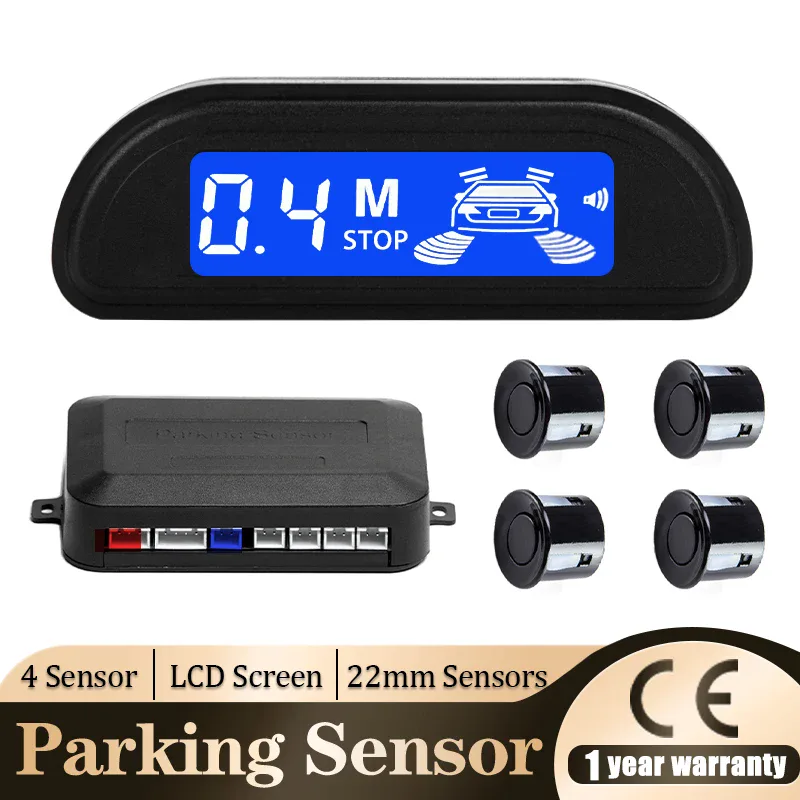
Define your use. A reversing radar is chosen on the number of sensors (often 4), the presence of a screen and a progressive audible alert as you approach an obstacle. A TPMS system continuously monitors tyre pressure and warns you in the event of under-inflation, a guarantee of safety and fuel savings. Check the installation method (drilling the bumper for the sensors, valve or cap for the TPMS) and compatibility with your vehicle before buying.
Related categories:
- Dashcams → Dashcams & on-board cameras
- OBD diagnostics → OBD diagnostics & reprogramming
- All car electronics → Electronics & driving aids
The technical criteria to check
| Criterion | Why does it matter? |
|---|---|
| Type | Reversing radar or pressure sensor (TPMS). |
| Number of sensors | Often 4 for good rear coverage. |
| Display & alert | Screen and progressive audible signal. |
| Installation | Bumper drilling, TPMS valve or cap. |
| Compatibility | To be checked according to your vehicle. |
Frequently asked questions
How does a reversing radar work?
Sensors placed in the bumper measure the distance to obstacles using ultrasound and trigger an increasingly rapid audible alert, sometimes combined with an on-screen display, so you can park safely.
What is a TPMS sensor?
The TPMS (tyre pressure monitoring system) continuously measures pressure and warns you in the event of under-inflation. It improves safety, tyre wear and fuel consumption.
Is installing the sensors complicated?
A reversing radar requires drilling the bumper and running a cable; a TPMS is fitted via the valve or a cap depending on the model. Follow the instructions or call a professional if in doubt.